


Moving house? Set aside time to change important documents related to your vehicle. If you don’t, you could encounter problems - including fines and legal issues. Here, we explain how to change the address on your driving licence and vehicle registration (car log book/V5C) - and who else needs to know your new address.
Moving house is undeniably stressful. In fact, 57% of Brits consider moving house to be the most stressful life event, surpassing even having children or going through a divorce - according to a Legal & General Survey.
Little wonder, then, that some important things get left by the wayside. One of those important things is sorting out your vehicle details to match your new address.
Your car is linked to many legal and practical aspects of life: from insurance and tax to parking permits and vehicle registration - all of which may be impacted when you move home.
If you don’t set aside time to update these details, you could face all manner of problems, ranging from fines to invalid insurance coverage. Not being able to find your favourite bone china tea set will pale by comparison!
To help, we’ve unpacked what to change on your vehicle after moving address - and why it matters.
1. Change address of vehicle registration (update V5C)
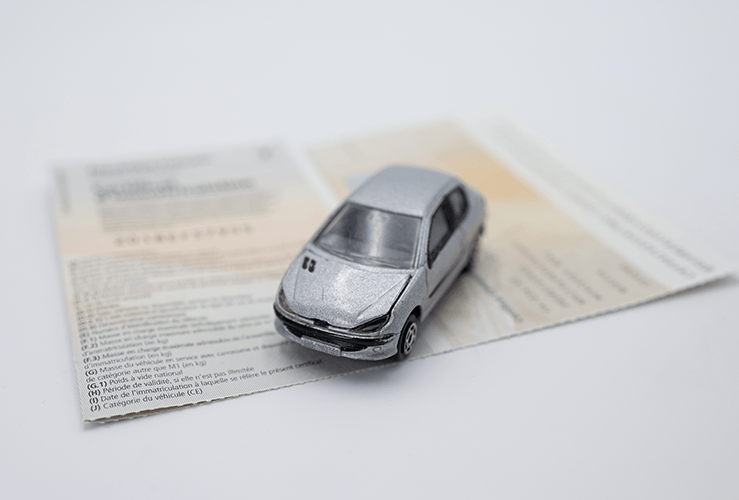
This is the big one. The V5C logbook is the most important official document tied to your vehicle. It sometimes goes by the name “vehicle registration certificate.” It records the registered keeper of the vehicle and the address where it is kept.
Vehicle logbook change of address: Why it matters
- By law, you need to notify the DVLA of changes of address within 28 days.
- Failure to update your address on the V5C can lead to fines up to £1,000. Not ideal after all those removal and solicitor fees!
- The DVLA sends important documents (such as tax reminders) to the registered address.
How to change address of vehicle registration (update the V5C)?
- You can update your address online via the DVLA website.
- Alternatively, fill in section 6 of your V5C and send it by post. But this will of course, take longer than the online route.
- You’ll receive a new V5C with the updated address.
2. Notify your car insurance provider
After setting in motion the change of address on your car log book, it’s time to contact your insurer. Your car insurance premium depends heavily on your postcode - because it reflects risk factors like theft rates, accident statistics and road types. Besides, if you’ve moved to an area deemed as lower risk, you could be missing out on a lower premium.
Car ownership address change: Why tell your insurer?
- Moving to a new area can have a big impact on your insurance costs - pushing it either higher or lower.
- Failure to update your insurer can invalidate your policy, leaving you in the unenviable position of being uninsured in the event of a claim.
- Insurers may refuse to pay out if they find you gave them incorrect or outdated information.
How to update it?
- Contact your insurance provider as soon as you know your new address. This will help ensure there are no coverage gaps.
- Provide the new address and any other relevant details (for example, a change to your commuting distance).
- Don’t forget to ask for a revised quote if your premium changes. If it seems too high, think about shopping around for some better quotes.
3. DVLA car tax address change (road tax address change)
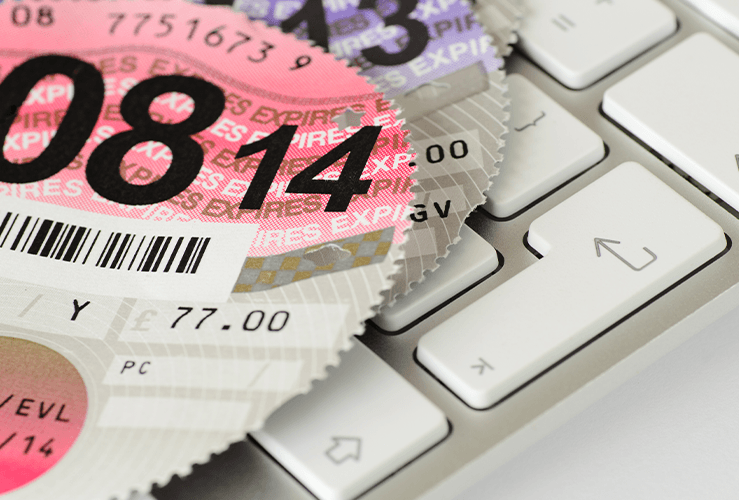
Your vehicle tax (also known as road tax, or VED) is tied to your vehicle and its registered address.
DVLA car tax address change: Why it matters
- The DVLA needs your registered address so it can send reminders and renewal notifications.
- If you don’t update your address, you may miss important notifications and risk fines or penalties for non-payment.
- Some locations may have different local charges or parking zones, which can affect your tax or fees (pushing them up or down).
How to update it?
- When you update your V5C address, your vehicle tax records will be automatically updated, making it all a bit easier.
- Still, you can (and should) check your tax status online - using your vehicle registration number and your shiny new postcode.
4. Change address on driving licence
Though it’s not vehicle-specific, your driving licence address should also be updated. Once you finalise changing the address on your driving licence, you’ll be sent a new photocard license with the updated information. It’s free to do this.
Why update it?
- The main reason is that the DVLA uses your licence address for official correspondence.
- Police, councils and insurance companies may need to check your licence address in case of traffic offences or claims.
How to update it?
- You can update your driving licence address easily enough - online at the uk website.
- The DVLA will then send you a new licence with the updated address.
- It may help to have your National Insurance number and/or passport details to hand, for verification purposes.
What form is needed to change address on driving licence by post?
While most drivers update their address online, it’s also possible to do it by post. If you want to do it this way, you’ll need form D1 (cars and motorcycles), which is available from most Post Offices.
How to change my address on my provisional driving licence?
Changing your address on a provisional driving licence works exactly the same way as it does for a full UK driving licence.
5. Tell your breakdown or roadside assistance provider
If you use services like startrescue.co.uk (or other breakdown cover providers) ensure your details are up to date.
Why update it?
- Roadside assistance providers keep records linked to your address.
- In some cases, your membership fee may be influenced by location.
- Emergency services and customer support need accurate info to help you quickly if needs be.
How to update it?
- Get in touch with your provider online or by phone with your new address.
- For Start Rescue customers, you can also update your contact details, including address, at any time of the day via the Customer Lounge.
6. Update parking permits and local council records
If your new home is in an area that requires a residential parking permit, you’ll need to apply or transfer your permit to the new address. If you don’t, you might get hefty fines and fees for parking in the wrong place. You may even get clamped or towed. Ouch!
Why update it?
- Parking enforcement officers check vehicle registrations against permits linked to an address.
- Using an old permit at a new address could result in parking fines or penalties.
How to update it?
- Give your local council’s parking office a ring. You can also use the government website to help sort out a parking permit.
- You’ll need to provide proof of residence (e.g., tenancy agreement or utility bill).
- Apply for a new permit or transfer the existing one.
7. Inform your financing or leasing company
If your vehicle is leased or financed, you’ll need to inform the leasing company or lender of your new address.
Why update it?
- In most cases, contracts require you to keep your contact details current.
- Finance or leasing companies send important documents to your registered address, so you’ll miss them if you don’t update.
- Failing to update may breach contract terms.
How to update it?
- Ring up or email your finance or leasing provider.
- Provide your new address - and be sure to request confirmation of the update.
8. Notify any other relevant parties
- Car warranty provider: If you have an extended warranty, it’s important to keep the provider updated.
- Valet or maintenance service providers: If they send service reminders or invoices.
- Employer: If your car is linked to a company or fleet vehicle.
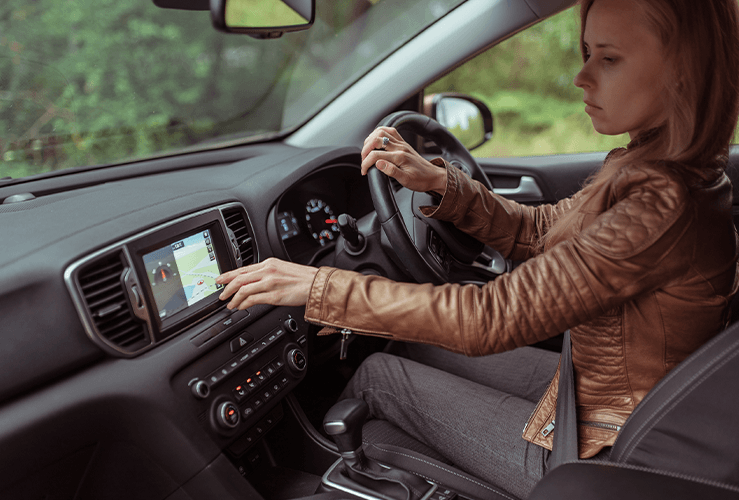
9. Update your GPS and connected vehicle apps
If your vehicle has a GPS system, or you use apps for navigation, parking, or roadside assistance - update your home address in the relevant places, too.
Why update them?
- It will help with accurate route-planning for journeys starting or ending at home.
- Some apps sync address info with emergency contacts or roadside services.
10. Think about vehicle inspection and servicing
If you’re moving to a new city or region, your vehicle might face different driving conditions (e.g., hillier terrain, more stop-start traffic).
Why consider it?
- You may need to adjust tyres, suspension, or servicing intervals.
Final tips
- Update as soon as you can: Many changes should happen within 28 days of moving.
- Keep proof-of-changes somewhere safe: Save copies of confirmation emails or letters for your records.
- Check your vehicle details regularly: This way, you’ll avoid missed renewals or fines.
- Inform all parties: Not just the DVLA - insurers, council, finance companies and breakdown cover all need to know.
Moving home can be stressful, but it’s important not to add more problems by failing to update your vehicle details.