



Learn why EV charging problems can feel like the engine misfires, ignition faults, and fuel system problems you might get in a combustion engine (petrol or diesel) car.
Over time, terms like ‘engine misfire’, 'ignition problem’ and ‘fuel delivery issues’ have become very familiar among drivers of petrol, diesel and hybrid vehicles.
With electric vehicles there is in fact no combustion going on, but charging interruptions can feel a bit like problems encountered with combustion engines cars.
Why EVs don’t actually misfire
If you’re asking: what is an engine misfire in an EV? You’re asking the wrong question.
Petrol and diesel cars often encounter spark plug or ignition faults, but your electric car works in a different way, so doesn’t face such issues.
There’s also no fuel system to go wrong in an EV.
In many ways, EVs are simpler than combustion engine cars, so in theory things should go wrong less often…
But things still go wrong, as we shall see.
What an EV ‘Misfire’ Really Is”
What might be considered an EV engine ‘misfire’ usually relates to a charging interruption or a reset of the system.
With a petrol/diesel misfire, issues arise from a failure in the combustion cycle. But with an EV, what might feel like a ‘misfire’ usually relates to an interruption in charging, or to the delivery of power.
Charging interruptions or temporary system resets are usually the culprits. This could mean the EV starts to charge, but then pauses, charges slowly, or stops completely. This sort of hesitation can feel like an ignition fault or a fuel delivery issue, but the root cause is entirely different.
Often, issues arise from a ‘handshake failure’ - where the car and the charger stop communicating as they should.
Before charging can begin, the car and the charger exchange information about compatibility, power limits, and safety conditions. But if this is interrupted, charging can be slowed, paused, or stopped.
The importance of the Battery Management System
The Battery Management System (BMS) can also cause issues. Temperature, voltage, and current must be constantly and effectively managed for battery health to be maintained. If any of these fall outside established parameters, then charging can be interrupted. This kind of interruption can feel sudden and unexpected - with further confusion arising if there’s no clear explanation on the display.
What about EV fires?
In very rare circumstances, thermal runaway (overheating), damage, or manufacturing defects in a battery can cause EV fires. In terms of thermal runaway in particular, it’s clear that an effective Battery Management System is critical to avoid battery damage. As you’re likely aware, EVs and fire don’t mix, so if the BMS shuts your car down, it’s probably for a good reason.
Software and external factors
It’s not just about hardware. Software glitches can interrupt the charging/power delivery process.
Outside forces can also play a role: if the charging unit is malfunctioning or damaged, or there are network or payment issues, then charging can stop.
The sense of interruption, hesitation, or inconsistency in an EV can all seem a little like issues faced in a combustion engine car (engine misfire), but these are invariably down to preventing damage or to system glitches, rather than mechanical faults.
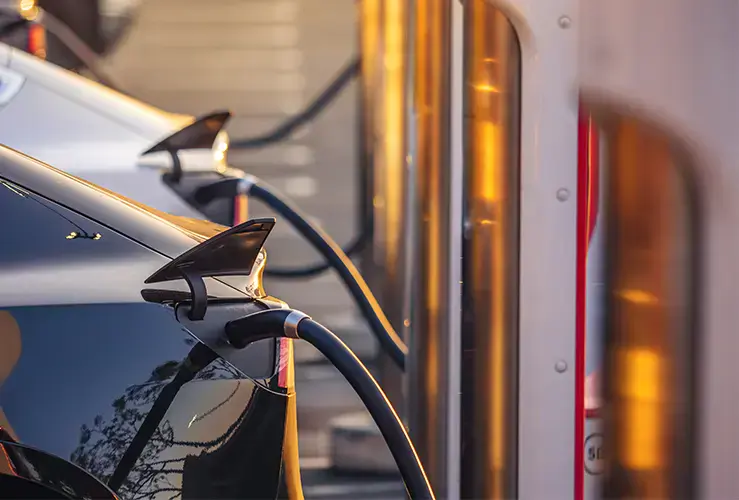
How charging breakdown issues feel like petrol car faults
Here’s an at-a-glance table of EV charging problems and how they can seem similar to the symptoms of engine misfire/ignition/fuel issue in a combustion engine car.
The EV charging issue | What it’s comparable to in a combustion engine car |
Charging failure | Feels like a fuel delivery issue |
Software glitch | Similar to an ignition problem |
Power interruption | Comparable to misfiring engine symptoms |
Troubleshooting charging issues
Instead of thinking about a charging issue as an engine misfire, EV troubleshooting is actually more about checking your connections, software, and charging conditions, rather than mechanical parts. You won’t be checking spark plugs or fuel injectors here; the focus instead should be shifted to power flow and system communication glitches.
Start with the basics: Connection check
Ensure the charging cable is inserted fully and locked securely into place. Examine the connector for dirt, debris, or moisture since these can interrupt the flow of electricity.
Many false starts can be resolved by simply disconnecting and reconnecting - comparable to mobile phone charging issues.
Restart the charging session (and the car if need be)
End the charging session via the charger or app, then start the process again. If you keep getting issues, reboot the system. This can help clear any glitches that result in inconsistent behaviour.
Is it the charging station?
Try a different chargepoint (public ones often malfunction or have maintenance issues). If a different charger works, you know it (probably) wasn’t your car.
Are there any “handshake” or authentication issues?
Double check that your app, RFID card, or payment method is set up and working as it should be. Look out for error messages on the charger and the vehicle display.
Keep an eye on charging speed and temperature
If your battery is too hot or too cold, charging may be slowed down or paused (this is to maintain the health of your battery).
Search for software updates
Check if your vehicle has any pending updates as these might improve charging reliability.
Know when it’s not a fault
Note that charging slows down when 80-100% full, and that is normal (to preserve battery health). Indeed, some issues are simply to protect the battery, and are not a ‘breakdown’ in the classic sense.
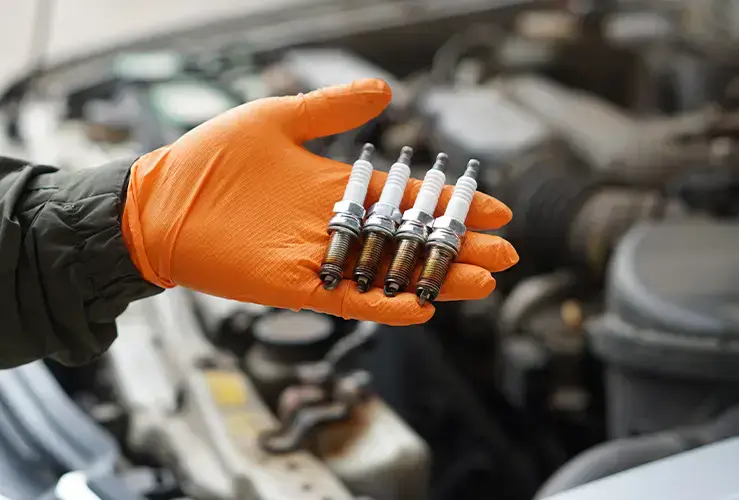
Why drivers still use ‘misfire’ language
The combustion engine has been with us for over a hundred years, so it’s understandable that motorists might use petrol car terminology for their EVs. However, terms like ‘engine misfire’ are fairly wide of the mark as we move into the age of the electric car.
Impact on driver confidence
Unexpected interruptions to the charging process can feel as concerning as an engine misfire, especially if you’re new to electric vehicles, and especially if you need to be somewhere. This feeling is exacerbated if the system doesn't seem to be telling you exactly what the issue is. These sorts of reliability problems, especially at public chargers, can erode trust in both EV technology and the national charging network.
Misfire meaning: What is a car misfire anyway?
What is a misfire in an engine of the combustion type? In a petrol or diesel engine, a car misfires when one or more of the engine’s cylinders fail to burn fuel properly. Air and fuel are mixed and compressed, and ignited by a spark (as with petrol) or heat compression (as with a diesel). But if this process is interrupted, there can be a misfire causing vehicle movements to be hesitant or jerky.
Multiple faulty components in an engine could result in three cylinders misfiring (or more).
Conclusion
While there may appear to be similarities between fault symptoms in electric vehicles and combustion engine cars, they are in fact quite different beasts.
In short, EVs don’t suffer engine misfires, ignition issues, or fuel system failures but they are subject to charging problems, battery health issues, and software glitches.
EVs have eliminated many of the challenges associated with driving combustion engine cars, but they come with their own problems. As the EV car market matures, and more motorists make the switch, understanding these problems, and their solutions, will be framed outside legacy terms like ‘engine misfire’.
Frequently Asked Questions
No, electric cars cannot have engine misfires, since they lack combustion engines; similar issues are usually electrical faults or charging interruptions instead.
Charging problems similar to ignition faults are caused by software glitches, handshake failures, authentication errors, or poor connections disrupting power flow.
No, EV charging issues are not fuel system problems. Instead power supply faults, communication errors, or charger failures can create similar interruptions during operation.