


Thinking about buying second hand, but worried a car’s odometer might have been clocked? Learn about the telltale signs a vehicle has a rolled back odometer, and what steps you can take to verify its claimed mileage.
Almost 10% of Nissan Qashqais in the UK have had their odometers tampered with - or “clocked” - according to data from vehicle history check company, CarVertical.
The same 2025 report revealed a number of other models also have high odometer tamper-rates, including the Volvo XC60 (8.4%) and XC90 (7.2%).
The Land Rover Defender, meanwhile, suffered the highest average odometer rollback rate, at a hefty 59,201 miles.
Industry data suggests that around 160,000 vehicles are sold with fraudulent mileage every year in the UK.
Britons overpay by 48.8% for used clocked cars
If you're considering buying a used car in the near future, these figures will likely sound alarm bells. Odometer fraud (“car clocking”) is especially bad in the UK, where buyers overpay by an average of 48.8% for clocked used cars - according to CarVertical data.
What is odometer fraud, exactly?
Odometer fraud (or car clocking) is when a vehicle’s odometer is altered, reset, or disconnected in order to make it seem like fewer miles have been driven than in reality. The aim is to inflate a vehicle’s value; a car with fewer miles on the clock should have a longer lifespan.
Buying a clocked car may involve you paying more than the vehicle is worth. It might also mean the car is more likely to develop mechanical/electronic issues - which has implications in terms of repair costs and safety.
Can digital odometers be altered?
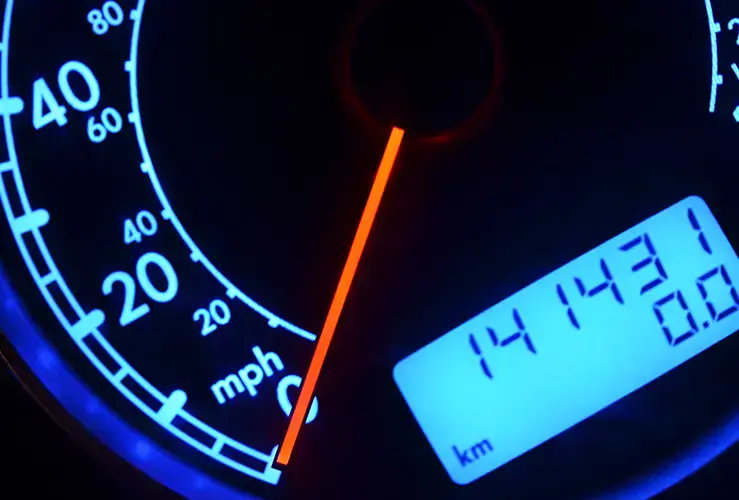
Yes, modern digital car odometers can indeed be altered - by way of specialised software and diagnostic tools, or even by desoldering and editing the memory chip on the dashboard cluster.
This is in contrast to older analogue odometers, which are clocked by swapping out internal gears.
Why odometer rollback/fraud matters
Aside from paying much more than a vehicle is worth, and a higher likelihood of hidden wear and costly repairs, a clocked vehicle may have missed maintenance intervals (impacting safety and reliability).
Of course, the resale value can potentially be impacted. That said, a clocked vehicle might be bought and sold several times without anyone discovering its odometer has been tampered with.
What are the common signs of odometer fraud/car clocking?
There are usually some clues that an odometer in a car has been tampered with.
For instance, the mileage may be too low for a vehicle’s age, or there may be excessive wear on the pedals, steering wheel, gear stick, or driver’s seat.
You might also see stone chips, interior wear, or new-looking components that don't match up with the claimed mileage.
There might also be illuminated dashboard warning lights which have been triggered by communication errors - caused by someone rolling back the odometer.
In modern BMWs and Minis, a ‘tamper dot’ is displayed if the cluster serial number does not match other components (suggesting something has been swapped out). Other car firms have similar systems that warn if a rolled back odometer is present.
You might also see physical signs that the instrument cluster has been replaced (pry marks, mismatched screws).
Check the MOT history
Your next step is to check the MOT services history on the Gov.uk website. Look out for mileage inconsistencies between MOT tests - but also understand that some discrepancies can be down to genuine recording mistakes.
Compare the advisory history with the mileage that has been claimed.
Review the car’s service history
After sounding out the MOT history, you should look at the service records and ensure the recorded mileage tallies in a realistic way. Check the invoices, stamps and maintenance receipts.
If you suspect foul play, contact the listed garages and ask them to check their records (they will do this for free).
If the service book looks newer than it should, exercise caution.

Run a vehicle history check
You should also run a vehicle history check. A number of firms offer this service; avoid free options as they tend to include very basic information.
A vehicle history check will tell you the mileage status of the vehicle in question. It will also tell you if there is outstanding finance, how many keepers the vehicle has had, the MOT history, write off status (if any), previous damage, and much else besides.
It’s also a good idea to compare several data sources, if possible.
Inspect the vehicle carefully
Take some time to inspect the vehicle in person, and be wary if the seller seems reluctant to let you do this.
Compare overall condition with the mileage, check tyre wear and replacement dates, and take a look at the brake discs, driver’s controls, and upholstery condition (a worn driver’s seat suggests the car has seen a fair bit of use).
Of course, check the dashboard for any signs of removal or replacement. You can also use a flashlight to inspect the dashboard clear plastic lens/cover for fingerprints on the inside.

Questions to ask the seller
If something doesn’t seem right, you might ask the following:
- Why is the mileage unusually low?
- Can they explain any gaps in servicing?
- How long have they owned the vehicle?
- Can they provide previous MOTs and maintenance invoices?
Red flags when buying a used car
If the seller seems reluctant to provide documentation when requested, alarm bells should sound. Equally, if they seem very keen to make a sale, be wary.
Another red flag is a price that is significantly below market value.
If the answers provided seem inconsistent, or if they claim to be selling the vehicle for someone else, be extra cautious.
What should I do if I think a vehicle has been clocked?
When negotiating, don’t rely on mileage alone - look for other clues mentioned in this article.
Ask for additional documentation if that seems appropriate, and consider getting an independent inspection done if you’re still unsure.
If your concerns cannot be allayed, simply walk away. You might even consider reporting suspected fraud, if that seems appropriate.
How to protect yourself
Buying from a reputable dealer will give much more peace of mind when buying a used car - not least because you have a level of ‘come back’ that you don’t get with a private seller.
Always check the MOT history and get a full vehicle history report done (especially when buying privately).
You should also inspect the vehicle in daylight hours, so it’s easier to spot any warning signs.
Always take it for a test drive before buying - this will give you a better idea of the car’s age, and if the claimed mileage tallies.
Last but not least, keep copies of all paperwork.
Conclusion
If a vehicle seems too old or ‘worn’ for the claimed mileage, or if there are dashboard warning lights or signs of tampering, you should take extra steps to verify its history.
It’s critical you can look at the vehicle's documentation, and carry out a full MOT and history check.
Consider organising an independent inspection before buying, and don’t rush into making a purchase unless you are completely sure the stated mileage is accurate.
Frequently Asked Questions
Yes, altering an odometer (“rolling an odometer back”) to suggest a vehicle has driven fewer miles than it has is illegal, as is not disclosing any change to a prospective buyer.
Yes, digital odometers can indeed be altered, by using specialised software and diagnostic tools, or replacing certain components.
A car mileage blocker (also known as a mileage freezer, stopper, or CAN filter) is a small electronic device installed behind the dashboard that temporarily pauses - or slows down - a vehicle's odometer while the car is being driven.
While no official government data exists on the topic, industry reports suggest around 160,000 ‘clocked’ cars are sold in the UK annually.
Yes, innocent clerical errors, component failures, or legal replacements can all make a vehicles’ mileage appear lower (or indeed higher).
If you bought a vehicle from a registered dealership, by law you have 30 days to request a full refund (under the Consumer Rights Act 2015). If bought privately, request a refund. If they refuse, you can take them to the Small Claims Court. You should also report them to the Police (Action Fraud) and Trading Standards.