


Checking that tyres have sufficient tread depth (1.6mm) is just part of guaranteeing roadworthy radials; drivers also need to check for other patterns of wear which might suggest it's time to replace or rotate. A sizable minority tend to neglect this critical aspect of monitoring their vehicle’s health.
From sudden punctures to reduced grip and longer stopping distances, potholes are one of the most common and damaging hazards UK drivers face. Poor road surfaces don’t just make for an uncomfortable journey; they are a leading cause of pothole damage to vehicle tyres, often resulting in costly repairs and safety risks.
Your tyres are the only point of contact between your vehicle and the road. When they’re compromised by potholes or general wear, you increase your chances of a breakdown, or worse, a collision. Despite this, many drivers still overlook basic tyre checks, leaving themselves vulnerable to preventable issues.
According to recent surveys, a significant number of UK motorists are unsure how to check tyre tread depth or spot early signs of damage. Yet staying vigilant is essential, not just for safety, but also to prevent tyre damage from potholes and avoid unnecessary repair bills.
MOT mindset: Missing the maintenance?
“But,” some drivers may argue, “my MOT will pick up any tyre problems.”
This is a common and perhaps understandable position. In reality, failure to keep an eye on the health of your tyres could mean you won’t spot recent damage or wear that could put you, your passengers, and other road users at risk.
After all, a lot can happen between MOTs, especially in the UK, where potholes are an ongoing issue because they can damage tyres and other vehicle components.
Let’s not forget that poorly-maintained tyres can also lead to reduced performance and not least, fuel economy, which, added to potential premature tyre replacement, can erode your bank balance.
Here we explore some of the most common causes of excessive or uneven tyre wear, how to spot certain types of damage, how to prevent damage leading to expensive vehicle pothole repairs, and how to maximise the lifespan of your tyres.
Common causes of uneven or excessive tyre wear
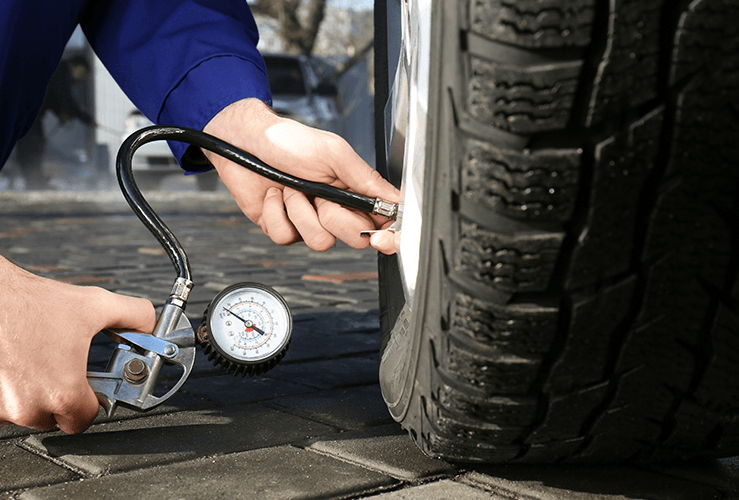
1. Incorrect tyre pressure
Tyres that are overinflated or underinflated wear unevenly:
- Underinflated tyres wear more on the outer edges.
- Overinflated tyres wear more in the centre.
As well as causing uneven or excessive tyre wear, improper or incorrect pressure also affects fuel efficiency and handling. Check your tyre pressure regularly - especially ahead of long journeys.
2. Misaligned wheels
If your wheels aren’t aligned properly, tyres can wear in a feathered or diagonal pattern. This is often caused by hitting a kerb or pothole and can make the car pull to one side.
Signs of poor alignment:
- Uneven tyre wear
- Steering that feels off-centre
- Vibrations at certain speeds
3. Worn suspension components
Worn or damaged suspension parts - like shocks, struts, or ball joints - can lead to irregular tyre contact with the road. This can cause cupping or scalloped wear patterns, which also result in a bumpy ride.
In the medium and long term, your annual MOT should pick up any issues with your suspension components. However, if you notice you’re having a bumpier ride, or that your tyres are wearing in cupped or scalloped patterns, have your vehicle checked over by a mechanic.
Catching suspension problems early on might well save you money in the long run. By fixing/repairing any damaged components, you’ll prevent any knock-on effects on other parts, which would lead to further repair bills.
Additionally, catching issues ahead of time would help prevent any MOT retests, extend tyre lifespan, and improve fuel efficiency - all of which will reduce your outgoings.
4. Improper wheel balancing
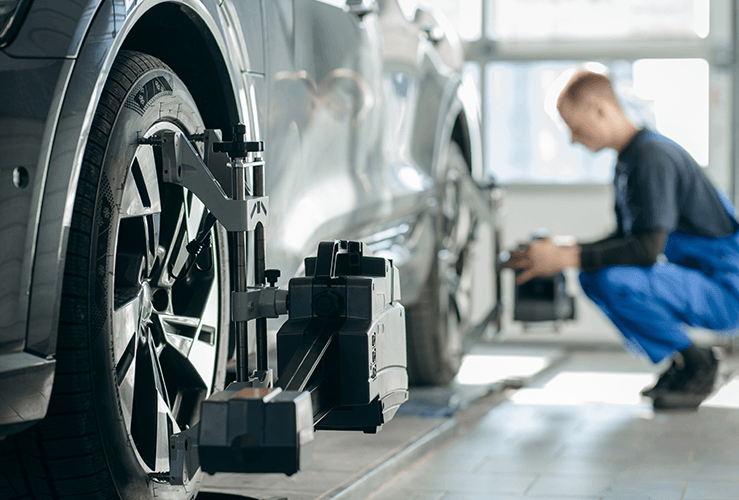
An imbalanced wheel is one where the weight isn’t evenly distributed around the tyre and rim, making it wobble or vibrate when it spins.
If your wheels aren’t properly balanced, you may notice vibration at certain speeds. If left unchecked, this can result in spot wear on the tyre - small, uneven patches that reduce lifespan and comfort.
Your local garage or tyre specialist should be able to solve any tyre imbalance. First, they spin your tyres on a special machine, thereby diagnosing weight imbalances, before adding weights, and verifying results.
Properly balanced wheels/tyres should mean your tyres do not suffer from irregular wear patterns and should last longer. It should also help prolong the life of your vehicle’s suspension components.
5. Aggressive driving
Frequent hard braking, sharp cornering, or rapid acceleration are all bad practices - primarily because they increase the chances of losing control of your car and having a collision.
But aggressive driving is another excessive/uneven tyre wear cause, too, especially on the edges or shoulders of the tyre. With this in mind, driving smoothly can greatly extend the life of your tyres - and leave you with more money in your pocket.
6. Faulty or uneven brakes
A sticking brake calliper or uneven brake force across the axle can cause one tyre to wear more quickly than the others. These issues often result in a patchy wear pattern.
If you spot such a problem with your tyres, have your car checked over by a mechanic as soon as you can.
7. Incorrect tyre rotation
Front and rear tyres wear differently - especially on front-wheel-drive vehicles.
But in almost every case, front tyres wear out faster than rear ones to some degree, because they deal with steering and handle more braking force.
With this in mind it’s important to switch (rotate) the front tyres with the rear tyres. If tyres aren’t rotated regularly, you may end up with uneven wear patterns and reduced tyre lifespan.
However, before you rotate your tyres, you should consult your vehicle’s manual as this will provide specific recommendations for your car.
In short, rotating your tyres will save you money, time and hassle, while giving you a little more peace of mind that your tyres are in decent condition.
Top tip: Most manufacturers recommend rotating tyres every 6,000–8,000 miles.
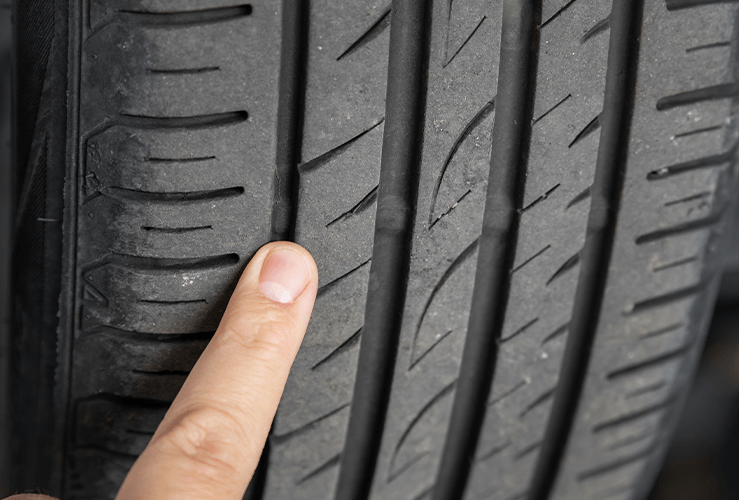
Signs you might have a tyre wear problem
- Tyre tread is worn more on one side than the other
- Vibration or pulling while driving
- Frequent pressure loss
- Poor grip or longer stopping distances
- Visible bald spots or unusual patterns
Checking tyres after hitting a pothole
Checking tyres after hitting a pothole is essential, even if the impact seemed minor. Damage isn’t always immediately visible.
Here’s what to do:
- Inspect the tyre sidewall for bulges, cracks, or cuts
- Check tread for uneven wear or flat spots
- Monitor tyre pressure over the next few days
- Pay attention to vibrations or steering changes
- If in doubt, have a professional inspect the vehicle
Acting quickly can prevent further damage and reduce the risk of a breakdown.
How to prevent tyre damage from potholes
While potholes can’t always be avoided, you can take steps to minimise the risk:
- Check tyre pressure monthly
- Keep a safe distance to spot potholes earlier
- Slow down on poorly maintained roads
- Avoid driving through standing water where potholes may be hidden
- Ensure wheels are aligned and balanced regularly
These habits can help prevent tyre damage from potholes and extend the life of your tyres.
Pothole damage claims and insurance advice
If your vehicle suffers damage after hitting a pothole, you may be able to claim compensation.
Claiming through your local council
In the UK, local councils are responsible for maintaining roads. To make a claim:
- Take clear photos of the pothole and vehicle damage
- Note the exact location and time
- Submit a claim via your local council’s website
Be aware that claims may be rejected if the council can show the road was inspected and maintained appropriately.
Insurance and fleet cover
Alternatively, you may claim through your motor or fleet insurance policy, depending on your level of cover. This can be particularly useful for businesses managing multiple vehicles exposed to road risks.
Before claiming, always check your policy terms, including excess amounts and coverage limits. Learn more about claiming for damage caused by potholes here.
A note on uneven rear tyre wear causes
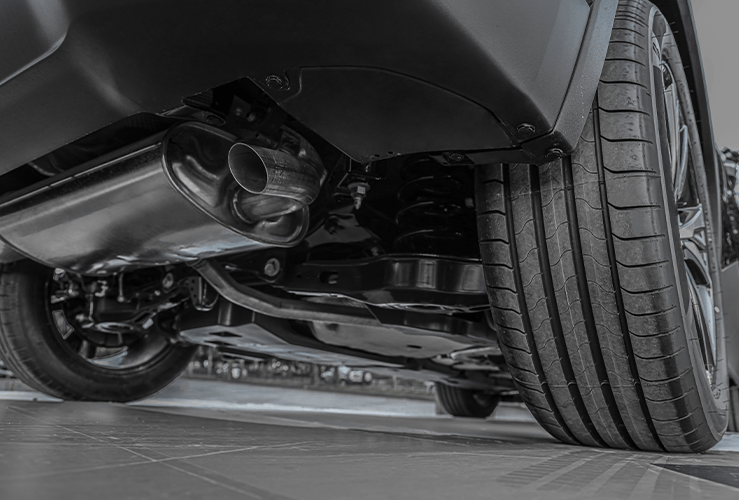
While your rear tyres generally wear out at a slower rate than the front tyres, they can - and will - wear out eventually. Various mechanical and driving-related factors impact how soon you'll need to replace your rear tyres.
Here are the most common uneven rear tyre wear causes:
- Misaligned wheels (rear wheel alignment)
If the rear toe or camber settings are off, tyres can wear more on the inner or outer edge. Often caused by hitting a pothole, curb, or suspension wear.
- Worn suspension components - e.g. worn bushings, control arms, or shocks.
- Incorrect tyre pressure - as with front tyres, this is a common cause of wear on rear tyres.
- Tyre imbalance or runout - patchy or scalloped wear on rear tyres.
- Driving habits - aggressive cornering, drifting, or heavy loads.
- Lack of tyre rotation - likely to cause uneven wear.
- Manufacturing defects or tyre quality - rare but possible.
Keeping eyes on your tyres
Uneven or excessive tyre wear isn’t just a nuisance - it’s a safety risk and quite possibly a financial drain. By keeping an eye on tyre condition and addressing small issues early, you can avoid bigger - and more costly - problems down the road, thereby getting the most out of every set.