


All manner of wearing and corrosion might be taking place in and under your car. Learn where this hidden damage could be occurring, and how you can modify your vehicle inspection routine to combat it, prolonging the lifespan of your car and saving you money.
We’ve all had the basics of vehicle checks and maintenance drummed into our heads. Things like:
“Minimum tread wear depth 1.6mm.”
“Top up screenwash every month - more often in winter.”
“Book an MOT as soon as you get the reminder.”
But many of the issues that affect car safety don’t come from obvious or easy-to-identify faults, instead they stem from invisible wear in places we rarely think to look. Indeed, there’s a plethora of things that can wear out and fail that are just out of sight.
Inspecting cars on a deeper level
A comprehensive check for car damage (one that gives you real peace of mind) isn’t just about what you can see at a glance. Knowing where hidden wear develops can help you spot problems earlier, reduce the chances of a breakdown and minimise repair bills by pinpointing damage before it gets any worse.
Let’s take a look at some of the hidden wear-zones you might not be aware of…
Suspension and steering components
Underneath your car and out of sight, suspension bushes, ball joints and anti-roll bar links are quietly and steadily degrading over time. Along with general usage, wear is accelerated by potholes, speed bumps and rough road surfaces all of which are unfortunately fairly common across the UK.
Because these parts aren’t visible during most routine checks, many drivers miss those early warning signs.
Clunks over bumps, vague steering or uneven tyre wear are all signals that a deeper vehicle inspection is overdue. It’s important not to ignore these issues because they can negatively impact handling and braking stability, posing a direct risk to car safety (and by extension you and your passengers).
Brake lines and callipers
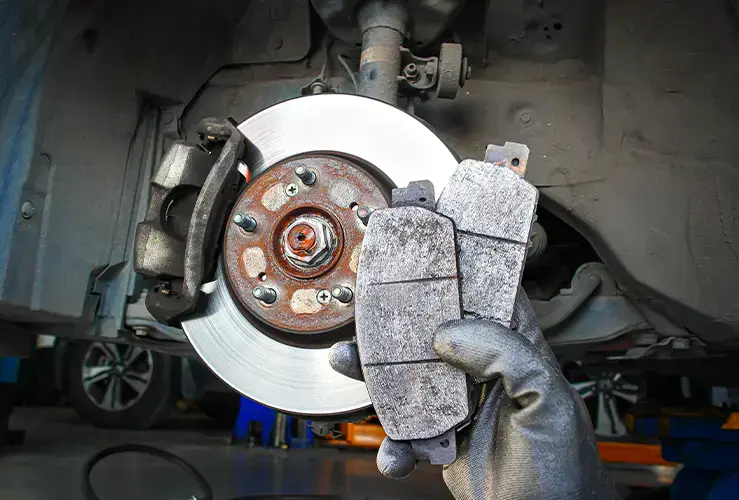
As drivers we usually associate brakes with pads and discs (which we expect to wear out), but brake lines and calipers are classic invisible wear hotspots, too. Road salt and moisture can get into and corrode metal brake lines - a risk that increases substantially in older vehicles. Corroded callipers can seize and may cause uneven braking or premature pad wear. This, of course, has serious implications for safety.
When inspecting your car at home, it’s easy to overlook these components and just think “the MOT will catch any problems”. But these components are critical, and any issues need to be sorted out straight away. As such, it’s a good idea to include them in a periodic vehicle check at a garage, and preclude the possibility of sudden brake failure which is certainly not a risk to be taken lightly.
Underbody corrosion
While modern cars do resist rust better than older models, corrosion hasn’t disappeared completely, it’s just moved out of view. For example, sills, subframes and exhaust mounts are all exposed to water, grit and salt throughout the year, meaning they could be steadily corroding day by day, unbeknownst to you.
Unfortunately, doing a quick check for rust around wheel arches simply isn’t enough. Serious corrosion usually starts underneath, only becoming visible when the damage is severe. As a result, any subsequent repair bill is likely to be much higher than it otherwise would have been. A ramp-based vehicle inspection is the only reliable way to spot such issues early, which of course necessitates a trip to your local garage.
Electrical connectors and wiring
Electronics have never been more critical to the modern car. Even a basic model can have dozens of processors, while a luxury car can have more than a hundred. Yet despite the importance of electronics, wiring looms and connectors are rarely part of a driver’s regular car check. Moisture ingress, vibration and age can all lead to intermittent faults (which are the hardest type of faults to diagnose).
If you notice warning lights appearing sporadically, it’s a sign that a deeper check is needed; don’t simply assume the issue will resolve itself.
Degraded cooling system hoses
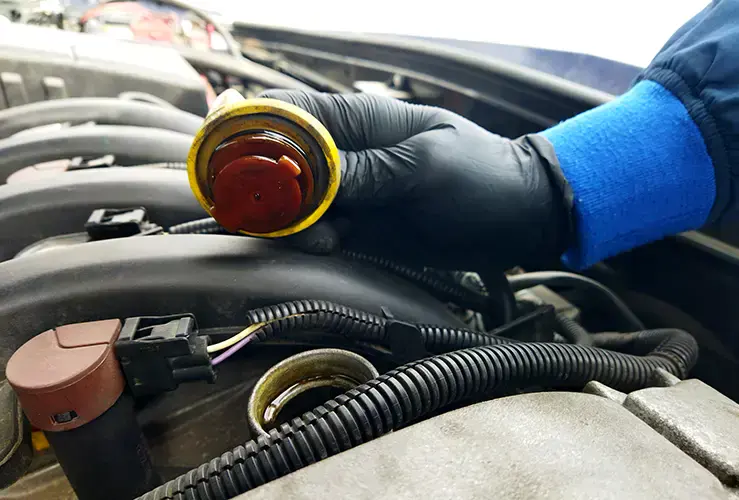
Coolant hoses degrade both on the inside as well as the outside. Even though they may look fine, over time they can soften, crack or collapse when under pressure. A sudden hose failure is bad news as it could leave you stranded by the roadside, and worse, cause serious damage to your engine.
This is why it’s important to include hoses in any routine vehicle check, especially before long journeys.
Don’t just rely on the annual MOT
The MOT is a critical part of road safety, helping to identify safety risks before they become too serious. But the MOT can only help so much because it’s just a snapshot in time.
In truth, all kinds of wear can develop between tests and sometimes very quickly. That’s why it’s a good idea to combine regular visual checks with a professional vehicle inspection, especially in autumn, before winter sets in, and prior to a long journey.
Checks to carry out when buying a used car
It’s also sensible to get a car report when buying a used vehicle. This should include previous advisories which identify areas prone to ongoing wear. Check this car report thoroughly: problem areas should be closely inspected before completing any purchase.
Where ‘wear’ hides: The takeaways
Invisible wear can lead to serious, and costly, problems. This kind of behind-the-scenes damage creeps in quietly, yet sometimes very quickly. This is why it’s so important to ensure your next car check goes beyond things like tyres and fluids. By making this a habit, you’ll protect the reliability, safety and resale value of your car for the long term.
When it comes to car safety, what you don’t see can matter just as much as what you do.