



Up to four million UK households might benefit from cross-pavement EV charging, dramatically increasing access to low-cost overnight tariffs.
For many current or would-be EV owners, the promise of lower running costs is a major draw of going electric.
But without the ability to charge at home, the real-world costs of running an EV can be disappointingly high - especially if you're compelled to use public chargers.
And for millions of Britons, one of the major hurdles to home charging has been the pavement outside their home - located between their property and the roadside, where they park their car.
But trailing an electric cable across a public footway is, for many reasons, a very bad - not to mention illegal - idea.
On-street charging for those with on-street parking
The logical solution to this problem is to dig a channel or ‘gulley’ into the pavement, so that the charging cable can be placed into the pavement, eliminating any tripping risks.
In September, the government announced it was pressing ahead with plans to make this process simpler - particularly by removing the need for separate planning permission applications if the qualifying rules are met. Parliament gave the seal of approval to the plans on 21 October 2026.
To install such a solution, relevant permissions from the highway authority (such as a Section 50 or Section 178 licence) and local authority approval will still be needed.
A charging gulley does not equal parking rights
It’s important to note that if you do get permission to install a charging gulley in the pavement outside your home, it doesn’t confer the right to park in that location.
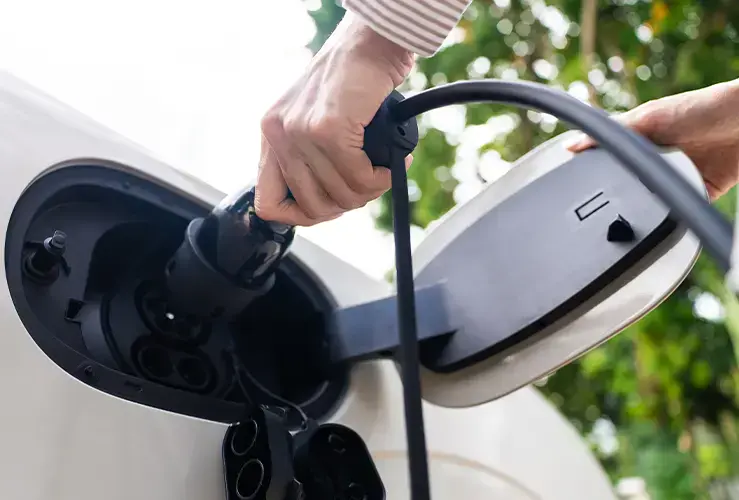
Charging grant cap increased to £500
Sadly, there’s no such thing as a free electric car charging point for home addresses, but the charging grant can get you 75% of the way there.
On April 1 2026, the Electric Vehicle Chargepoint Grant for private households was increased from £350 to £500 - covering up to 75% of the cost of buying and installing an electric chargepoint.
However, this grant amount does not cover the installation of their charging gulley; this is funded by a separate government grant to local authorities, namely the EV Pavement Channels Grant.
If your local authority is signed up to the EV Pavement Channels Grant, then you may be able to get the channel installed for free, or at a heavily discounted rate. But if your authority is not part of the scheme, you may have to pay the full commercial rate, which could be up to £1,500.
Under-pavement on-street EV charging: What are the solutions?
At present, the most common or favoured cross-pavement gulley system is a channel where the cable is laid for the duration of the charging, and then removed afterwards.
However, some on-street EV charging designs incorporate a cable that lies under the pavement on a permanent basis - but they are rare, complex, and cost several thousand pounds to install.
Other systems for electric car charging on the road include ‘charging bridges’ - which hold the cable high over the pavement. These are still in development.
Could cross-pavement charging solutions accelerate EV uptake?
According to the English Housing Survey, around eight million households do not have access to off-street (driveway/garage) parking. However, of those, around 4 million are estimated to have on-street parking that could benefit from cross-pavement charging.
Charging electric cars on-street: The last EV hurdle?
With EVs now subject to Vehicle Excise Duty (VED), the day-to-day savings of going electric have narrowed. While upfront installation costs remain a hurdle, giving millions of terraced homes access to cheap overnight tariffs could significantly cut running-cost anxieties - particularly for lower-income drivers.