


Breakdown cover provides valuable reassurance for drivers, ensuring that help is available if your vehicle stops working unexpectedly. Whether you’re commuting or travelling long distances, knowing a roadside assistance service is just a call away can make all the difference.
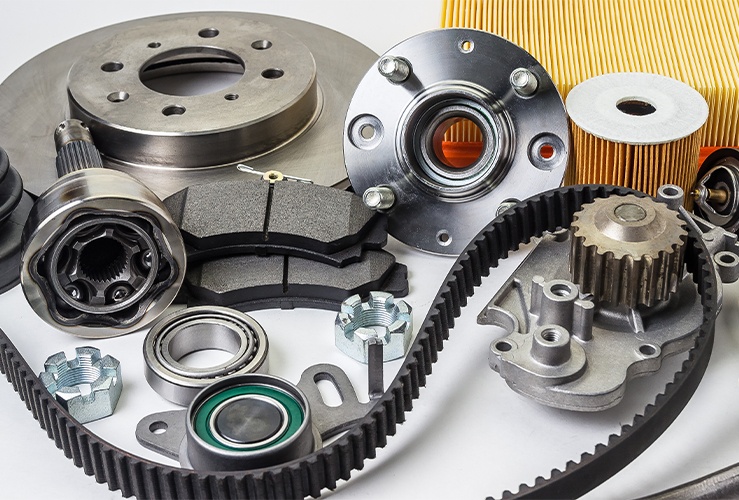
Does breakdown cover include parts and labour?
In most cases, standard breakdown cover does not include the cost of replacement parts or the labour required to fit them.
Typically, your provider will:
- Attend the scene
- Attempt roadside repairs
- Recover your vehicle to a garage if it cannot be fixed on the spot
However, if new components are needed, such as a battery, alternator, or fan belt, you’ll usually have to pay for:
- The parts themselves
- The labour to install them
These costs fall outside the scope of most basic policies.
What if the technician has the parts?
Sometimes, a technician may carry common replacement parts and be able to fix your vehicle immediately. While this can save time and avoid recovery, the parts are still usually chargeable, unless your policy specifically includes them.
This is worth noting, as car repair costs can vary significantly—from relatively inexpensive fixes to major component replacements.

It is possible in some instances to get breakdown cover with parts and labour cover - Some car breakdown policies can be purchased with a 'parts and labour cover' add-on, which means the cost of parts and labour are covered by the breakdown insurer, minus any excess.
Breakdown cover is usually provided in one of two ways: vehicle-based, when only a specific vehicle is covered; or personal, which covers any vehicle the covered person is travelling in.
The types of cover offered can vary between insurers.
Find out more about what breakdown cover includes here.
If you already have breakdown cover, or are shopping around for it, it's critical you read the policy document(s) carefully to know what is and is not covered within the breakdown cover policy.
As mentioned, car parts cover generally isn't included as standard in a breakdown cover policy.
Understanding the limits of your breakdown cover
While breakdown cover is reassuring, it’s important to understand what it does not include. Standard policies usually exclude:
- Replacement parts and their fitting costs (unless you add parts and labour cover).
- Excessive repairs that go beyond basic roadside assistance.
- Routine maintenance, such as oil changes or tyre replacements.
- Breakdowns caused by neglect, like running out of fuel or failing to service your car.
Knowing these limits will help you avoid unexpected costs.
What to look for in breakdown cover
When choosing a breakdown policy, think carefully about how you drive and what level of cover suits your needs:
Personal vs vehicle cover:
Personal cover follows you, so you’re protected in any vehicle you’re travelling in. Vehicle cover is limited to one specific car.
Levels of cover:
Options often include roadside assistance only, nationwide recovery, home start, or even onward travel. The more comprehensive the cover, the greater the support if something goes wrong.
Vehicle maintenance coverage:
Some policies offer optional add-ons that contribute towards repair costs, helping to reduce the financial impact of unexpected mechanical issues.
Policy limits and exclusions:
Always check what isn’t covered. Many policies exclude parts and labour, routine servicing, or certain types of breakdowns, so understanding these details can help you avoid unexpected expenses.
By comparing these features, you can select the most appropriate breakdown cover for your lifestyle.
Getting you started
Breakdown cover is considered invaluable by millions of UK motorists due to the peace of mind it affords. But each motorist is responsible for keeping their vehicle in good working order, which in the long term may reduce potentially costly trips to the garage - parts, labour and all.
Our blogs also cover a range of related topics, including whether you need breakdown cover for a new car and whether misfuelling is included in your policy, helping you make more informed decisions about your cover. For affordable and reliable breakdown cover, get a quote from us today.
Frequently Asked Questions
Some breakdown policies include European cover as standard, while others offer it as an optional add-on. European cover usually allows you to call for roadside help in participating countries, though restrictions may apply - for instance, limits on trip duration or maximum claim amounts. Always check your policy if you plan to drive abroad.
Yes, some policies include an excess – the amount you’ll need to pay towards a claim before your insurer covers the rest. Excess fees vary depending on the provider and the type of policy you choose. If you want to avoid unexpected costs, review the terms before committing.
Yes, in many cases. Even if you have parts and labour cover, your policy may include an excess, meaning you’ll contribute a fixed amount towards the repair.
Check your policy documents carefully. Look for terms such as:
- “Parts and labour cover”
- “Repair cover add-on”
- “Extended breakdown protection”
If you’re unsure, contact your provider directly for clarification.
It depends on your policy type:
- Personal cover usually continues regardless of the vehicle
- Vehicle-based cover may not transfer automatically
Always inform your provider if you change vehicles to ensure continuous protection.