


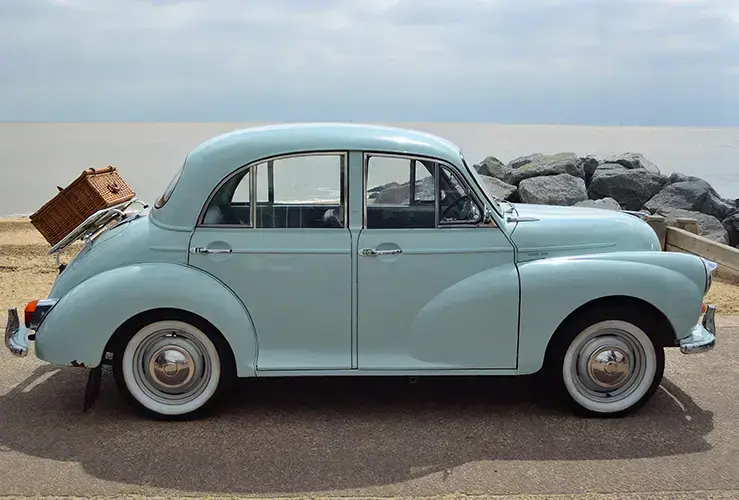
Keeping a classic vehicle on the road relies heavily on sourcing the right components. Whether you are restoring or carrying out ongoing classic car maintenance, knowing where to buy classic car parts makes all the difference to cost, authenticity, and safety.
The UK has played a key role in the development of the motor car, particularly in the realms of law, infrastructure, and iconic design.
Indeed, in the 1910s and 1920s, the UK had the largest number of small-scale car marques, peaking at around 183 companies in 1922.
It's little wonder, then, that the UK has a strong classic car culture. Many thousands of enthusiasts put their passion into keeping all manner of vehicles in a roadworthy, and often aesthetically beautiful, condition.
But keeping these wonderful machines on the road is no easy task. Sourcing the right classic car parts is critical. Being able to do so impacts the authenticity of the vehicle, as well as safety and value retention.
As well as specialised parts sourcing, classic car owners need to organise specialised storage and administer intensive maintenance; good, experienced technicians are like gold dust.
In this guide we'll look at how to define your classic car and its needs, where to buy classic car spares, new, used and reproduction parts, legal and safety considerations, budgeting, working with mechanics, and tips for avoiding common pitfalls.
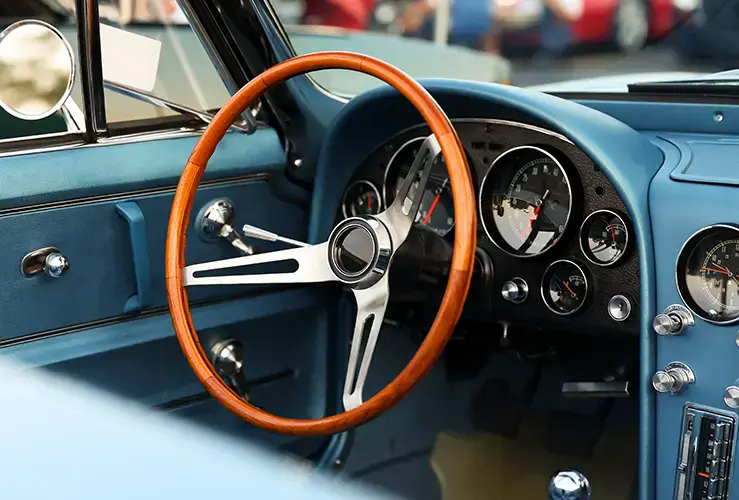
Where to buy classic car spares in the UK
UK specialist classic car parts shops and suppliers
As you may or may not already know, in the UK there are model-specific specialists/car parts shops for marques like MG, Jaguar, Triumph, Mini, and Land Rover.
If you buy from an established UK supplier, you should benefit from reliability, smoother communication, and easy returns/refunds.
Specialist suppliers
Dedicated UK suppliers are often the most reliable route when searching for best classic car parts suppliers UK:
- Model-specific specialists
- Established retailers with warranties and returns policies
Examples include:
When choosing suppliers, always check:
- Reviews (Trustpilot, forums)
- Return policies
- Parts compatibility guidance
Vintage car parts UK communities & clubs
Owners’ clubs are invaluable for vintage car parts UK sourcing:
- Club-run spares schemes
- Member classifieds
- Technical advice from experienced restorers
- Swap meets and parts exchanges
This is often one of the most cost-effective routes for rare items.
A list of useful websites for buying classic car parts/spares
NB: These websites are provided as an indication of what parts are available in the UK, and are not endorsed by startrescue.co.uk.
General classic car parts (various marques) | |
Antique VW parts | |
Classic American car spares UK | https://customville-american.co.uk/classic-american-car-parts-uk/ |
Classic Mini spares parts |
Autojumbles, classic car shows & swap meets
Keep an eye out for major UK events, such as Beaulieu Autojumble, and the NEC Classic Motor Show.
At such events you'll be able to inspect classic car parts in person, personally negotiate prices, and better understand what to look for when buying used parts.
Online marketplaces
eBay UK, Facebook Marketplace, and Gumtree are all great places to find used classic car parts, as are specialist platforms and forums.
However, you'll need to be mindful of potential scams, double check seller ratings, and ask as many questions as necessary to establish part compatibility. You may not have the same kind of protections as you would get from an established car parts shop or supplier.
Scrap and salvage yards
There are a number of classic-focused breakers' yards in the UK, which can be great sources of parts. However, while often cheap and in many cases original, their parts often come with limited (or no) warranty, and their condition and level of wear can be tricky to establish.
Additionally, taking the salvage yard route can be time consuming, not least due to the inconsistent/randomly-stocked inventory.
Buying car spares from overseas – what UK buyers need to know
If you're having trouble finding parts in the UK, you might consider buying from overseas. For instance, if you have a classic SAAB, you'll find there are more spares in Sweden, the marque’s country of origin.
However, you may have to pay 20% VAT (parts + shipping) upon arrival in the UK. But for older parts (30 years+) you may benefit from zero/reduced VAT and duties.
Since Brexit, importing from both EU and non-EU countries attracts the same or similar VAT/duty. Before Brexit, there was of course no VAT or duty to pay for goods imported from the European Union.
Also bear in mind it will take longer to get your parts, and there could be delays.
Any parts you buy from overseas car parts shops/suppliers must comply with UK vehicle regulations.
New vs used vs reproduction parts
Choosing the right option affects cost and authenticity:
- New / NOS: highest quality, most expensive
- Reproduction: widely available, good balance of cost and usability
- Used originals: cheapest, but variable condition
Insurance value may depend on part type, especially for agreed-value policies.
Legal and safety considerations in the UK
Classic car rules depend on age and modification status:
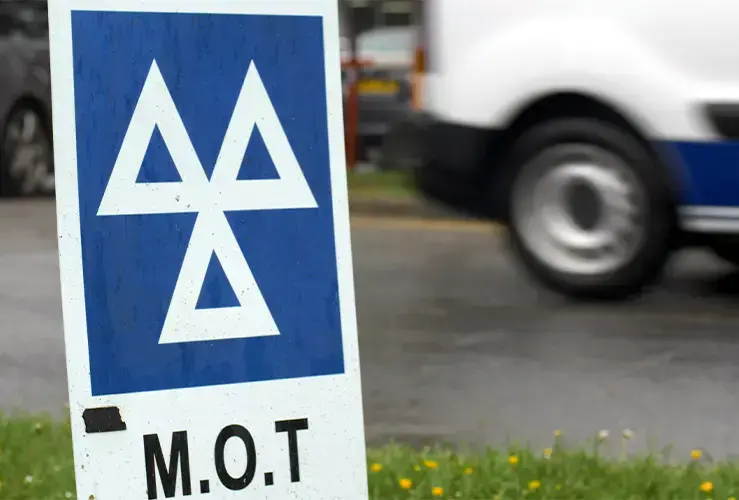
- Vehicles over 40 years old may be MOT-exempt if unmodified
- Safety-critical parts must still meet roadworthiness standards
- Vehicle tax exemption may also apply
Official guidance:
- MOT exemption rules: GOV.UK Historic Vehicle MOT Exemption
- DVLA historic vehicle information: GOV.UK DVLA Historic Vehicles
Always inform your insurer if modifications affect safety or structure.
Budgeting for Classic Car Restoration
It's important to set a realistic restoration or maintenance budget. Bear in mind any hidden costs related to delivery, refurbishment or fitting.
if you're in this for the long haul, consider bulk buying those often needed parts, and be sure to keep all receipts and update your records.
Working with mechanics and restoration specialists
If you need help with your general maintenance or restoration activities, you may benefit from the services of a classic car specialist in your area. While there is of course a cost associated, it may be easier and quicker to use such a service. In some cases it may also be cheaper (because it eliminates the chances of you causing more harm than good, particularly for complex maintenance issues).
You'll need to develop a sense of when you should Do It Yourself, and when you should call in the professionals.
When it comes to restoration specialists and garage work, it's critical you get written estimates as this acts as a legally binding contract that provides clarity, financial protection, and a detailed roadmap for what are often complex projects.
Unlike modern cars, classic vehicles have high restoration costs, unique parts, and frequent, unexpected issues (like hidden rust or engine damage) that make written documentation essential to prevent spiralling costs and going over that all-important budget.
Restoring a classic Mini
The classic Mini is one of the most popular UK restoration projects, but parts availability varies:
- Panels and trim: widely reproduced and affordable
- Engines: A-series units are still supported by specialists
- Interiors: good aftermarket availability
- Common issues: rust in floors, sills, and subframes
A Mini restoration often benefits from reproduction panels combined with selected original components to balance cost and authenticity.
Tips for avoiding common pitfalls
- Double-check part numbers
- Avoid cheap, low-quality reproductions
- Verify compatibility for UK-spec cars
- Inspect photos carefully when buying online
- Keep original parts wherever possible
Storing and maintaining your spare parts
During your time as a classic car owner, you'll likely build up a collection of spare parts. Ensure these are kept in suitable storage conditions (dry and temperature controlled). If you don't, you may spend time and money on finding yet more spares!
If you wind up with a lot of spares, ensure you label them properly and keep detailed inventory information.
Conclusion
As a classic car owner, you need to use all the tools and resources at your disposal to find the parts you need, including specialist suppliers, enthusiast networks, and reliable breakdown cover for added peace of mind on the road. When doing so, it’s important to prioritise safety over aesthetics, while being mindful of protecting the value of your vehicle.
Joining one of the UK's many classic car communities can be a great help when it comes to finding classic car parts and keeping your vehicle in good order. It’s also a lot of fun to interact with fellow classic car enthusiasts.
Above all, place an emphasis on patience and meticulous research in your hunt for spares.