

How to buy a car that meets your needs and comes in under budget? It’s a question that has plagued motorists (and would-be motorists) for more than a century. The following 10 mistakes when buying a car should help you secure a gremlin-free vehicle at a price you can afford.
At the end of the article we’ve also listed 8 things not to say when buying a car.
Skipping Proper Research on the Make & Model
A reliable car will save you money on maintenance and repairs, and give you real peace of mind on the road. With this in mind, it's important to check reliability data for any model you’re thinking about buying. It might look pretty, but snazzy styling isn’t going to help you when you’re stranded by the roadside.
Find out if a given model has known common issues like timing belt problems, and DPF (diesel particulate filter) issues if it’s a diesel unit.
It’s also important to be aware of the different trim levels and specs of a given model. Is the offered price too high for that entry level trim model? Or are you getting a bargain for that top-spec variant?
In the end, proper research will help you avoid a lot of car mistakes buyers often make.
Not Checking the MOT History
This is something of a no-brainer used car check to do before buying.
Checking a car’s MOT history takes seconds via GOV.UK - and it doesn’t cost you a penny. Take note of any recurring advisories such as corrosion, suspension wear etc.
Also look out for any mileage inconsistencies which might suggest deliberate odometer fraud ("clocking") or human error/technical issues, neither of which are desirable. In the UK, MOT records since 2012 have included mileage data; it has become a crucial tool for checking a vehicle's true usage.
If you notice patterns of repeated failures, don’t ignore them.
Ultimately, an MOT check tops most “how to check used car before buying” advice lists.
Overlooking a Full HPI Check
If you’re buying a used car, chances are you're on a budget. However, don’t be tempted to save money by avoiding a full HPI check. You can get a comprehensive check done online for about £20, or a basic check for about half that.
A HPI check should also highlight any outstanding finance which is surprisingly common in the UK. Critically, if the current “owner” is still paying off a Hire Purchase or Personal Contract Purchase (PCP), they do not legally own the car and therefore cannot sell it to you. As such, a HPI check could represent one of the best 20 pounds you’ve ever spent!
Similarly, no HPI check means you’re unlikely to find out if it’s an insurance write-off (Category S or N). These can be driven again once they have been repaired and meet specific criteria.
Additionally, a HPI check will reassure you that the car hasn’t been stolen.
Given how much valuable information you can get from a HPI, this used car check to do before buying is on a par with the MOT check (and not getting one is among the most common mistakes people make when buying a car).
Ignoring ULEZ & Clean Air Zone Compliance
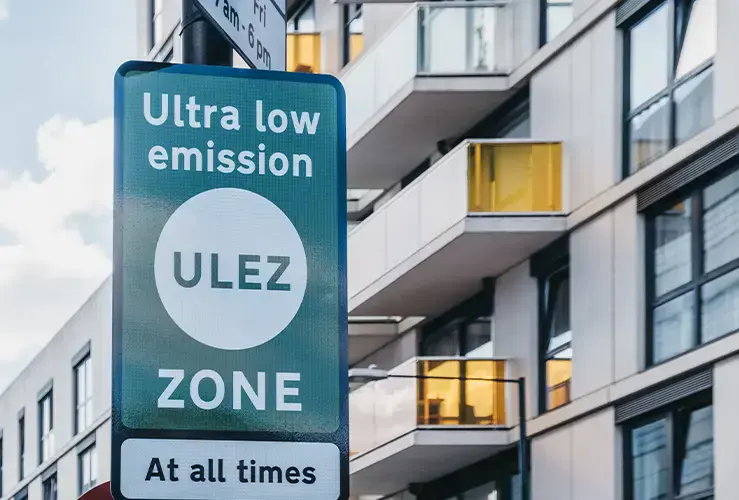
Many UK cities now have various ULEZ/Clean Air Zones in operation. It’s therefore important that you check that any prospective vehicle is compliant for use within London’s Transport for London ULEZ, or within Clean Air Zones in cities like Birmingham and Bristol.
Be aware that any daily charges can significantly increase running costs, which might make a given used car less of a bargain long term.
If buying a diesel, ensure it meets the diesel emissions standard (Euro 6) as this is the minimum standard required to avoid ULEZ/Clean Air Zone charges in the UK.
Not Budgeting for Total Running Costs
It’s worth getting the calculator out before you part with your hard-earned cash. Think about all the things you’ll need to pay for to keep your car on the road.
Pay particular attention to high insurance group vehicles, which can get even more costly to cover if you're in a younger age bracket.
You should also think about road tax (Vehicle Excise Duty - VED) cost differences. After the first year, most vehicles attract an annual rate of £195, but there are things to watch out for. With the Expensive Car Supplement, for instance, vehicles with a list price over £40,000 have to pay an additional £425 annually for 5 years (so double check the vehicle’s age).
Then there are fuel type costs to consider: petrol vs diesel vs hybrid. The most economical option will depend on what kind of driving you’re going to do: petrol is cheapest to buy and maintain for low-mileage drivers, but diesel is likely to be more cost-effective for high-mileage, long-distance driving. Then there are hybrid vehicles which, while more costly at first, offer the best fuel economy for mixed/city driving, and should cut running costs over time.
Last but not least, servicing and parts pricing will vary depending on the brand. For example, premium German marques like Mercedes Benz and BMW cost more to keep in good working order than brands like Kia or Ford.
Skipping an Independent Inspection
It’s also prudent to organise an independent inspection, in order to verify any dealer descriptions. Getting a local mechanic to look over any prospective vehicle should also highlight any gremlins or other issues that haven’t already been mentioned.
Double check there isn’t any underbody rust as this is a common issue in the UK's damp climate.
An independent inspection should also identify any signs that the vehicle has been involved in an accident such as misaligned body panels, mismatched paint shades, and uneven paint texture (overspray).
Buying Without Understanding Your Consumer Rights
It is critical you understand that you get much less consumer protection when buying privately, compared to buying from a dealer.
As a UK citizen, you are protected by the Consumer Rights Act 2015 when buying a used car from a dealer but (generally) not when buying from a private seller.
Dealer-bought cars must be of satisfactory quality, match the provided description, and be fit for purpose. On the other hand, private sales operate under "buyer beware" rules, offering limited protection.
With a dealer-purchased car, if a fault develops that makes the car unusable, you can “reject it” for a full refund within the first 30 days.
Dealer-bought vehicles also benefit from repair/replacement rules if a fault occurs after 30 days but within 6 months, you are entitled to a repair or replacement. It is up to the dealer to prove the car was not faulty when sold.
Rushing the Test Drive
A test drive is a must but don’t rush it. Ideally you should reach higher speeds on an A road or a motorway to ensure the car can handle it.
Don’t ignore clutch bite point issues on manual cars.
Be sure to test electronics, heating, and infotainment. This might take a while but it’s worth it. Don’t feel rushed by the dealer (or private seller).
Check for dashboard warning lights both before and after the drive.
Failing to Verify Service History
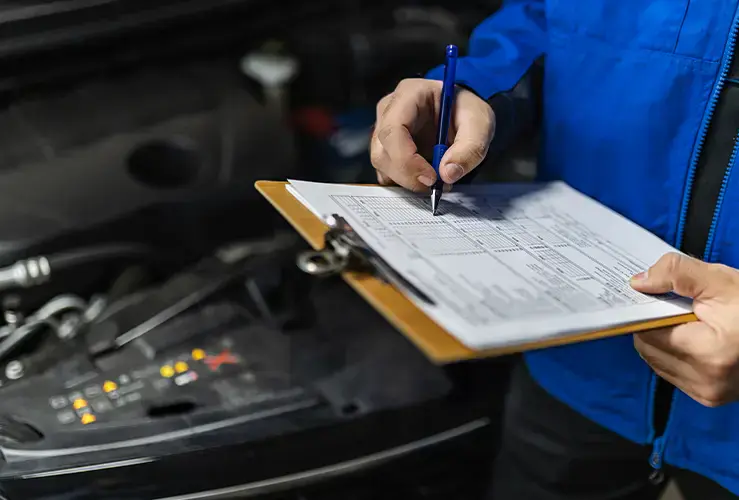
Take the time to check for a full or partial service history. Keep an eye out for missing stamped service books or digital records, and don’t ignore timing belt replacement intervals.
Confirm that services have taken place at VAT-registered garages.
Accepting the First Price Without Negotiating
Even if you’re brimming with enthusiasm for a vehicle, don’t accept the first offered price, whether buying from a dealership or a private seller.
Be sure to research the vehicle’s market value on platforms like Auto Trader.
Keep an eye out for similar listings in your area (both in terms of getting a value, and for taking a look at for a potential purchase).
Take advantage of any MOT advisories or inspection findings in order to secure a decent price.
Don’t forget that dealers expect reasonable offers, so give them one!
8 Things NOT to Say When Buying a Car
Most of the following relate to dealers, but some apply to private sellers, too.
- "I can afford £X per month": This gives dealers the green light to extend loan terms and hide the actual, higher cost of the car. Instead, focus on the out-the-door price.
- "I need to buy a car today/my car just broke down": This signals desperation, reducing your negotiating power and putting the ball firmly in the dealer’s court. It’s a similar story if you’re buying privately.
- "I love this car": Displaying too much excitement makes it harder to walk away or negotiate a lower price. Play your cards close to your chest.
- "What's the lowest price you can give me?": Asking such a direct question shows you are not prepared, and are not aware of the vehicle’s current market value.
- "I haven't researched prices/I don't know much about cars": This tells the salesperson they can easily guide your choices or inflate prices. When you buy a car, it's important not to overshare!
- "I'm paying cash": Dealers often make more money from financing, so revealing this can reduce your negotiating leverage early on, as is explained in this YouTube video.
- "My credit is not very good": This signals to the dealer that they can offer higher interest rates without fighting for better terms for you.
- "I’ve sold my car; I have a trade-in" (or at least, don’t say this too early): It is better to negotiate the price of the new car first. This helps ensure the dealer doesn't lower the trade-in value to make up for the lower price.