

As parcel volumes continue to grow, businesses are under increasing pressure to optimise their courier fleet management strategies. Selecting the right courier fleet vehicles is no longer simply a matter of purchasing vans; fleet managers must balance operational requirements, sustainability targets, driver satisfaction and long-term running costs.
Modern delivery fleet management requires careful planning. Decisions made during fleet procurement can affect productivity, profitability and customer satisfaction for years to come. Whether you're expanding an existing operation or building a fleet from scratch, choosing the right commercial fleet vehicles is one of the most important investments your business will make.
Key Factors to Consider When Procuring Fleet Vehicles
Successful fleet procurement involves far more than comparing purchase prices. Fleet managers should evaluate vehicles based on their suitability for current operations as well as future business requirements.
Key considerations include:
- Delivery routes and operating environments
- Payload and cargo volume requirements
- Fuel or energy efficiency
- Vehicle reliability and maintenance requirements
- Driver comfort and safety
- Compliance with emissions regulations
- Technology integration capabilities
- Total Cost of Ownership (TCO)
- Residual values and replacement cycles
By assessing these factors collectively, businesses can make informed procurement decisions that support long-term growth and operational efficiency.

How to Choose the Right Courier Fleet Vehicles
The modern fleet manager needs to balance a number of different goals and obligations. Vehicle task-suitability, cost, and fuel efficiency are just some of the factors that must be considered, alongside the increasing need for companies to do their bit for the environment.
Here we examine the key issues to consider when selecting new fleet vehicles.
Understand your business needs:
- Assess the types of goods you typically deliver (size, weight, fragility).
- Consider the distance and frequency of deliveries.
- Evaluate the urban vs. rural delivery ratio.
Thinking about the above factors should help you narrow the field when choosing a new model for your fleet. You may discover, for instance, that economical urban stop-start driving is more important than range.
Vehicle types:
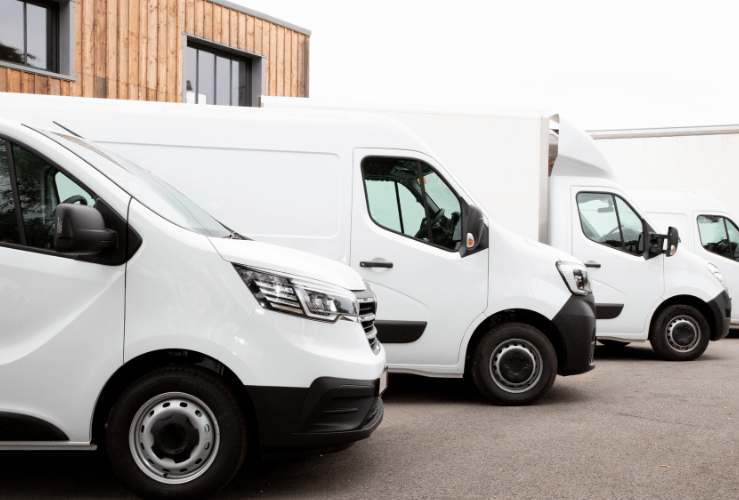
- Vans: Ideal for medium-sized parcels and urban/”last-mile” deliveries.
- Motorcycles/Scooters: Best for small parcels and quick deliveries in congested cities.
- Bicycles: Eco-friendly option for very small parcels in urban areas. Despite being human-powered, this option may be the quickest in busy areas like Central London.
- Trucks/Lorries: Necessary for large or heavy items and long-distance haulage.
For many fleets it will be obvious which vehicle types are best suited to their day-to-day operations, but it's still worth considering how other vehicles might augment existing delivery routes, or assist with new areas of business. For example, an increase in last-mile urban deliveries may mean investing in some smaller vehicles is prudent - so drivers can better negotiate narrow or congested roads.
Fuel efficiency/Cost control:
- Opt for vehicles with good fuel economy to reduce operational costs.
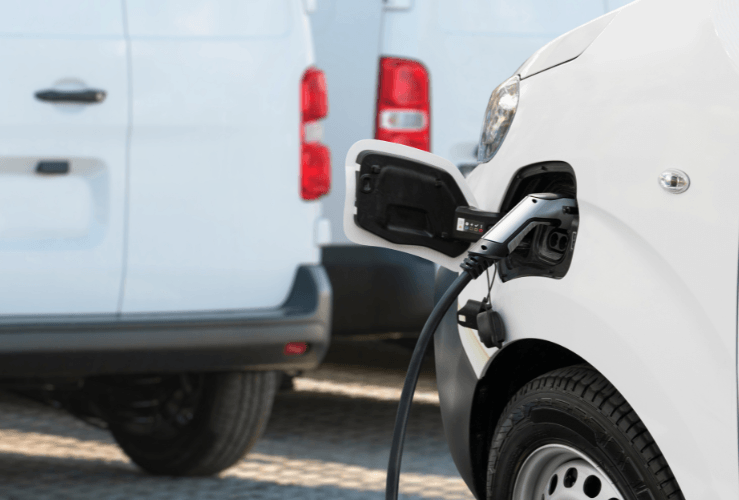
- Consider hybrid or electric vehicles to lower emissions and benefit from potential tax incentives.
For fleet procurement departments and fleet managers, one of the most pressing questions is: is it time to switch to electric vehicles? And if the switch has already been made, are those models delivering for the firm?
Multiple studies suggest that electric vehicles are cheaper to run compared to petrol and diesels, while needing less maintenance and repairs due to fewer moving parts.
Capital allowances
Fleets acquiring electric (and indeed diesel and petrol) vehicles can benefit from 100% first-year tax deductible allowance, meaning they can offset the cost of new vehicles against profits. This is a powerful tool for reducing a firm’s tax liability, and makes investing in new assets much more attractive.
Payload capacity:
- Ensure the vehicle can handle the maximum load you expect to carry.
- Check both weight and volume capacity to avoid overloading.
Vehicle overloading is illegal and could put your drivers and other road users at risk of tyre blowouts which could lead to collisions. Additional strain placed on engines, meanwhile, could lead to more repairs and/or reduced vehicle lifespan.
Reliability and maintenance:
- Choose vehicles known for reliability to minimise downtime.
- Consider the availability of spare parts and service networks.
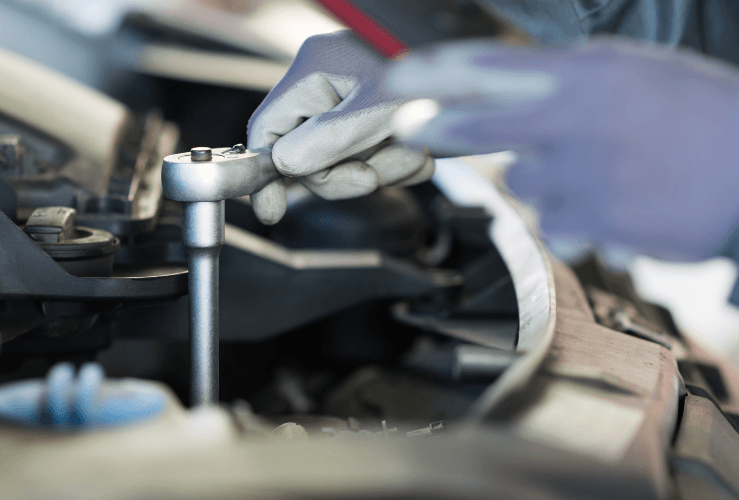
Research the most reliable brands. Fewer repairs and less downtime will help control costs and keep customers happy. However, the ‘most reliable’ vehicles may come with downsides such as higher acquisition costs, or difficulties in finding spare parts/maintenance expertise.
-
Total Cost of Ownership (TCO) Explained:
When selecting courier fleet vehicles, the purchase price is only one part of the financial picture. Most fleet managers now use Total Cost of Ownership (TCO) to assess the true long-term value of a vehicle.
TCO measures every cost associated with acquiring, operating and disposing of a vehicle throughout its lifecycle.
Key TCO components include:
Vehicle acquisition
- Purchase price
- Leasing costs
- Finance agreements
- Registration fees
Operating costs
- Fuel or electricity
- Insurance premiums
- Vehicle excise duty
- Congestion and clean air zone charges
Maintenance costs
- Scheduled servicing
- Repairs
- Tyres
- Replacement parts
Vehicle depreciation
Depreciation is often the largest single cost associated with fleet ownership. Understanding expected resale values can significantly influence procurement decisions.
Downtime costs
Breakdowns and maintenance can result in missed deliveries, reduced productivity and lost revenue. Reliable vehicles often deliver better long-term value even when acquisition costs are higher.
For effective courier fleet management, TCO should be evaluated alongside operational performance rather than focusing solely on the initial purchase price.
Regulatory compliance:
- Ensure vehicles meet UK emissions standards (e.g., Ultra Low Emission Zone requirements in London).
- Verify that vehicles comply with safety regulations and have necessary certifications.

Driver comfort and safety:
- Select vehicles with good ergonomics in order to reduce driver fatigue.
- Ensure advanced safety features are included to protect drivers and cargo.
Your drivers are the lifeblood of your fleet, so it pays to select vehicles that are generally considered comfortable and pleasant to drive.
In addition, advanced safety features will help keep both your drivers and cargo safe. Advanced safety features might include:
- Blind spot detection
- Driver drowsiness detection
- Reverse/backup camera
- Lane assist
- Electronic stability control
Technology Features Modern Courier Fleets Need:
- Consider vehicles that can integrate with your existing fleet management software.
- Look for features like GPS tracking, telematics, and driver assistance systems.
Technological advancements such as GPS route planning and telematics are now essential for the success of today’s fleets.
With this in mind, consider how available models can integrate with your current systems, or feature associated factory-fitted systems.
Environmental impact:
- Evaluate the carbon footprint of your fleet.
- Explore options for reducing emissions, such as electric or hybrid vehicles - while keeping in mind government legislation (particularly the 2030 petrol/diesel ban).
The UK government originally stated that all new petrol and diesel vehicles would be banned by 2030; this date was then pushed back to 2035. However, the new Labour administration has re-established the original ban-date of 2030, although it will still be legal to buy new hybrids until 2035.
With less than five years left to find alternatives to petrol and diesel vehicles, those fleets operating traditional-fuel vehicles are under increasing pressure to develop a procurement strategy.
Note that sales of new diesel-fuelled HGVs will be banned by 2040.
Electric vs Diesel Vans for Courier Fleets
One of the biggest decisions facing fleet managers today is whether to invest in electric or diesel-powered delivery vehicles.
Electric Vans
Advantages:
- Lower running costs
- Reduced maintenance requirements
- Zero tailpipe emissions
- Access to low-emission and clean air zones
- Potential tax advantages
Considerations:
- Higher purchase prices
- Charging infrastructure requirements
- Range limitations on some models
- Potential charging downtime
Diesel Vans
Advantages:
- Longer driving range
- Rapid refuelling
- Established infrastructure
- Familiarity for drivers and maintenance teams
Considerations:
- Higher fuel costs
- Increasing emissions regulations
- Potential future restrictions in urban areas
- Greater maintenance requirements
For many urban delivery operations, electric vans are becoming increasingly attractive. However, businesses operating long-distance routes may continue to find diesel vehicles practical while electric technology continues to develop.
Leasing vs. buying:
- Decide whether to lease or purchase vehicles based on your financial situation and long-term plans.
- Leasing can offer flexibility and lower upfront costs, while buying may be more cost-effective in the long run.
Cash flow is a key consideration for any fleet, but may be of particular importance to smaller operations, or those who have recently started trading. With this in mind, the sums required to purchase outright may be too high for some fleets, making leasing a good alternative.
Leasing can offer other notable benefits, too. Leasing firms may handle maintenance and insurance, while you may be able to obtain brand new vehicles every year or two.
Conversely, with outright ownership you’ll be responsible for all upkeep costs, and will need to decide if or when to sell,
Test driving:
- If possible, arrange test drives to ensure the vehicle meets your operational needs and driver preferences.
- Evaluate handling, comfort, and ease of use in real-world conditions.
It’s a good idea to involve your drivers in the test drive and procurement process. After all, they know more about your fleet’s frontline operations than anyone.
Supplier reputation:
- Choose reputable suppliers with good after-sales support.
- Read reviews and seek recommendations from other courier businesses.
Harness your industry contacts, attend industry events, and carry out research online to identify reputable suppliers who can help your fleet achieve its commercial goals.
Future-proofing your courier fleet:
- Consider how your fleet needs might evolve and choose vehicles that can adapt.
- Stay informed about emerging technologies and regulatory changes that could impact your fleet.
An obvious example of not being future-proofed is investing in petrol or diesels - vehicles that will no longer be available to buy new from 2030 (and in 2040 for HGVs).
In terms of being future proofed, consider things like legislation, range, and how prospective models will integrate with current and future technologies.
Conclusion
Choosing the right courier fleet vehicles requires balancing operational needs, regulatory requirements, sustainability goals and long-term costs. Whether your organisation is investing in electric vans, traditional diesel vehicles or a mixed fleet, a strategic fleet procurement process can help maximise efficiency and profitability.
By considering factors such as Total Cost of Ownership, technology integration, vehicle reliability and future legislation, businesses can build a resilient fleet that supports both current operations and future growth. Effective courier fleet management is ultimately about selecting vehicles that enable your business to deliver consistently, efficiently and profitably.
 Breakdown Cover from