



Anyone who's ever tried to start their car in sub-zero temperatures knows that cold is no friend of the motorist.
Anyone who has wrestled with an icy ignition on a frosty morning knows that freezing temperatures are no ally to motorists. While many drivers have dealt with winter battery issues, cold weather can affect your car in numerous other ways, from short-term inconveniences to long-term wear. The positive news is that most of these problems are preventable with a little preparation before the harshest conditions arrive.
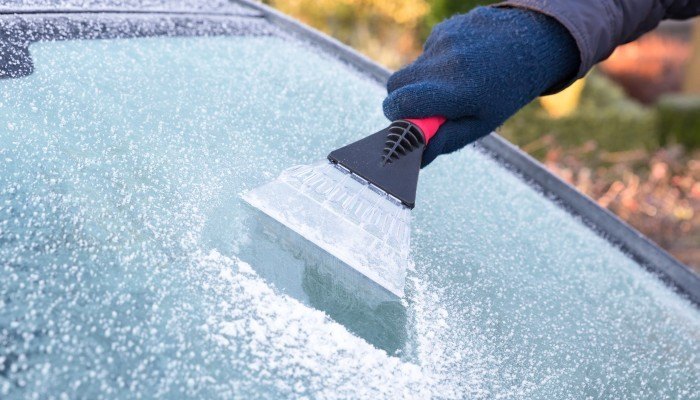
Top Tips to keep your car safe
Before the freeze sets in, give your vehicle the best chance of staying reliable. Keep your battery healthy, check your tyre pressures weekly, use the correct coolant mix, and wash the underside regularly to avoid corrosion. Simple habits make a big difference when winter months driving becomes part of your daily routine. For more support, see our guides on How to Prepare Your Car for Winter, Essential Car Fluids to Check, and Simple DIY Car Maintenance Checks.
Anyone who has tried to coax a reluctant engine to life on a frosty morning knows that cold weather is no friend of drivers. While many people only associate winter with car battery problems, cold temperatures can affect almost every part of your vehicle. The good news is that most of these issues are preventable with a little forward planning and regular maintenance. Here are the ten most common ways the cold weather affects your car — and what you can do about them.
1. Battery problems
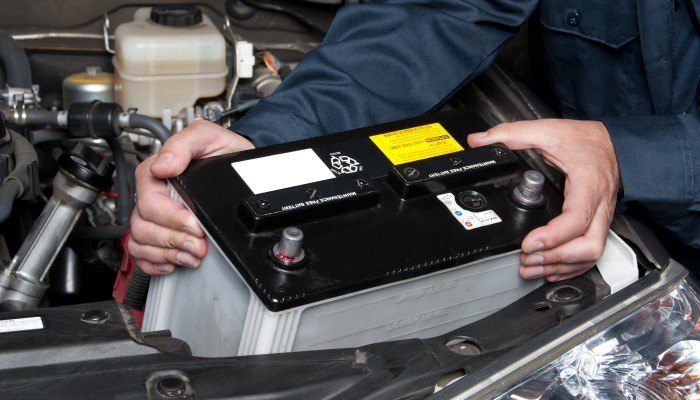
Low temperatures reduce your battery’s ability to hold charge, with a voltage loss of up to 60 per cent at 0 degrees Celsius. What's more, starting your engine can require double the usual current. However, if your battery is in good condition, even sub-zero starts shouldn't be a big problem.
A battery becomes less effective after about three years, so it's a good idea to have yours checked at a garage if it is around this age.
Regularly charging electrical devices from your battery can exacerbate any issues.
Clues that your car battery may cause a breakdown in the future:
- A clicking noise when you turn the ignition
- Slow cranking
- Headlamps are dim when the engine is ticking over, but bright when the engine is revved
- Battery is three years old or more
2. Fluids thicken
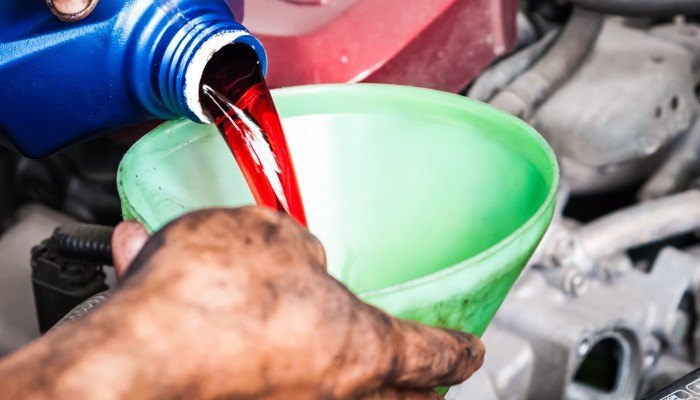
Cold temperatures can make car oil, antifreeze, transmission fluid and other vital vehicle fluids thicken – even with additives designed to prevent it.
When the fluids in your car are thickened they move more slowly – especially dangerous when it comes to transmission fluids which need to move freely in order to maintain performance. Sluggish brake fluid can also reduce your car's braking effectiveness.
Make sure all your fluids are topped up with the correct formula.
3. Problems starting your car engine
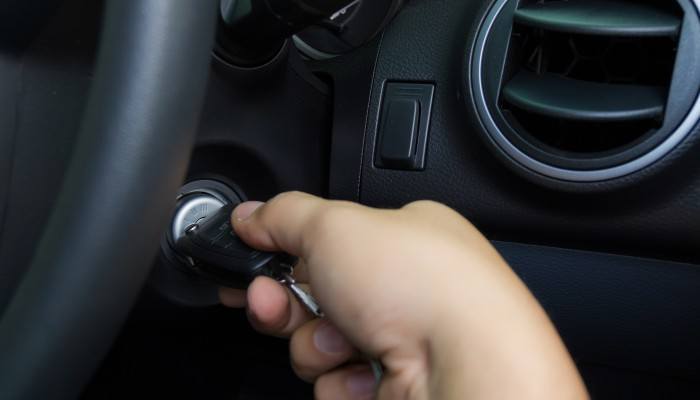
Car engines don't work efficiently in cold weather.
A lot more fuel may be required to start your engine and to keep it from stalling when the weather is cold.
In addition, water vapour can build up in low temperatures, especially if the engine is only run for around half an hour at a time.
It’s a good idea to run the engine for longer periods in order to get rid of accumulated water vapour (which can freeze and crack the engine block).
Be aware that switching on the heating as soon as you get in your car removes much-needed heat from your engine, so try to delay using it.
4. Spark plug problems
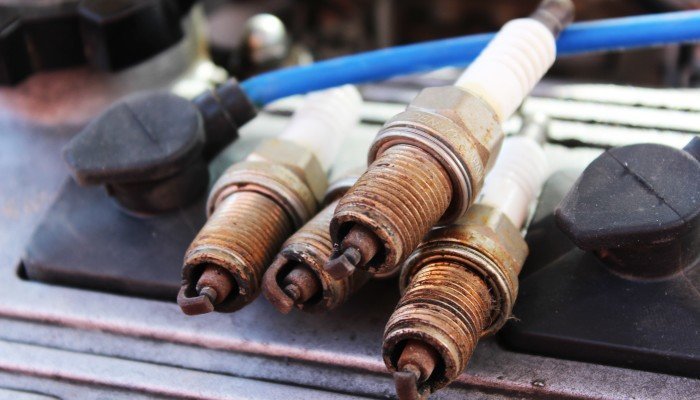
As with other electrical devices in your car, spark plugs can be negatively affected by the cold. Older spark plugs can be especially susceptible to low temperatures.
Check your spark plugs for signs of corrosion and have them replaced if necessary.
5. Windscreen damage
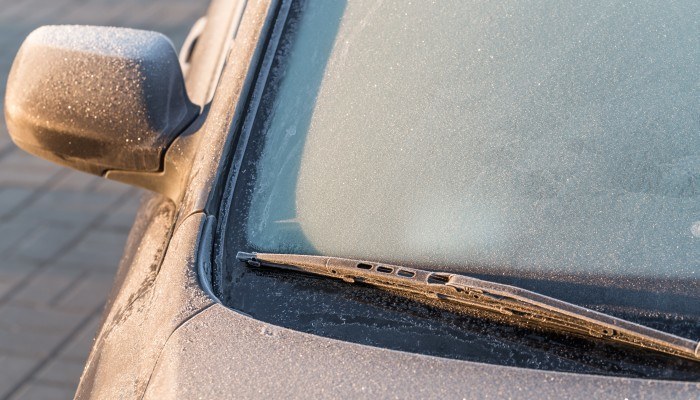
While modern auto windscreens are very durable, cold temperatures still pose a damage risk.
A sudden change in temperature can cause the glass to expand or contract, potentially resulting in a crack.
For this reason you should never wash your windshield with hot water in cold weather. Any pre-existing chips in your windscreen could allow moisture to enter and freeze, resulting in a crack; these should be repaired before the cold weather sets in.
6. Windscreen wipers
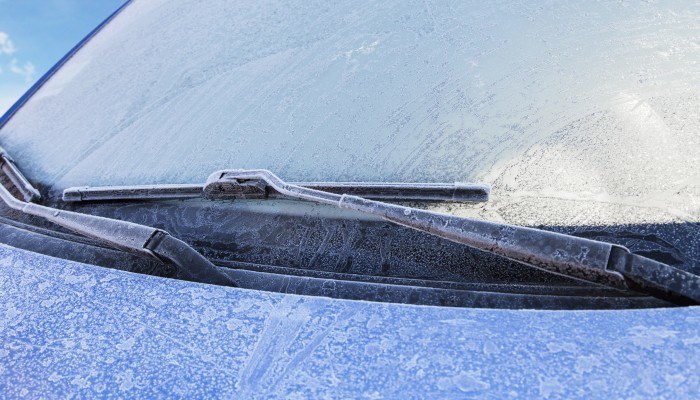
Wipers can be damaged if they freeze to your windscreen, so try to prevent this from happening.
7. Tyre pressure issues
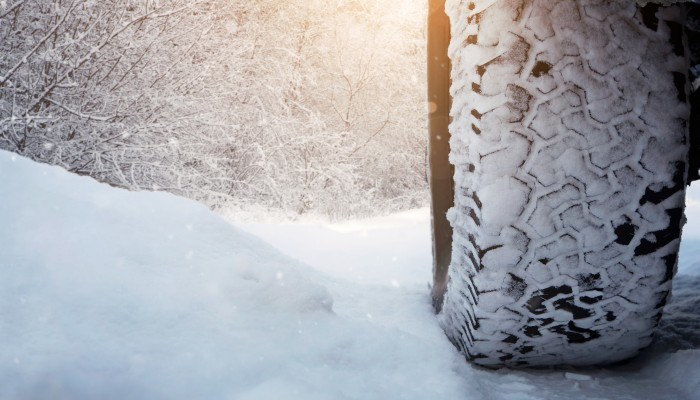
Lower temperatures can cause your tyres to lose pressure – as evidenced by the difference between day and night-time driving.
Be sure your tyres are inflated to the manufacturer’s recommended pressure.
Tyre rubber hardens in cold temperatures, resulting in less grip – especially in all-season tyres.
Winter tyres will give better grip thanks to their softer rubber compound and additional grips – called sipes. However, winter tyres do represent a substantial expense.
8. Fuel consumption increase
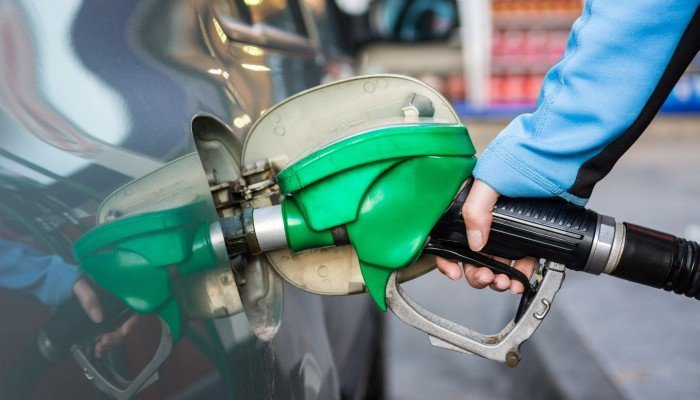
Your engine will use more fuel in colder temperatures.
9. Engine block cracks
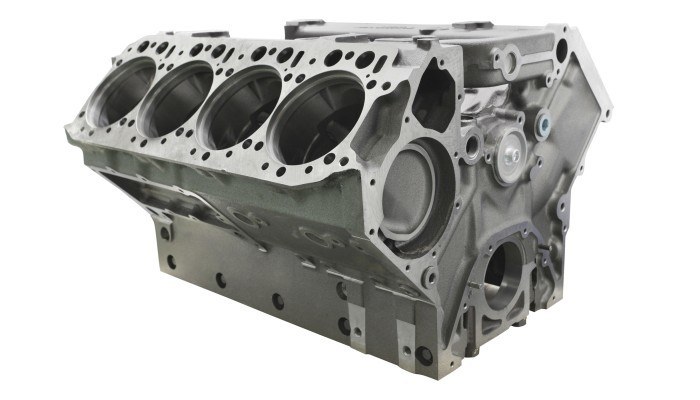
Engine coolant may freeze in sub-zero temperatures, potentially causing cracks in your engine block.
Be sure to use the correct coolant type. Refer to your car manual for guidance or ask your garage for assistance.
10. Salt corrosion

The grit or salt used to melt ice and increase traction on frozen roads is of course crucial for safer winter driving, but it can also adhere to the underside of your car, causing corrosion.
Clean wheel arches, undercarriage and brakes regularly in winter months. Avoid using a cloth, however, as it can scratch your car's paint.
Why does my car struggle to start in cold weather?
Cold temperatures reduce battery efficiency, thicken engine oil and force the starter motor to work harder. Until the engine warms, internal friction is higher, which is why cars are more reluctant to start on frosty mornings.
How often should I check my tyres in winter?
Check tyre pressures at least once a week during winter. Temperature drops can significantly reduce pressure, affecting grip, braking performance and fuel efficiency.
Can engine coolant freeze in sub-zero temperatures?
Yes. If the coolant mix is incorrect or too diluted, it can freeze in very low temperatures. This may cause severe damage, including cracks in the engine block. Always use the correct coolant formulation.
Does cold weather affect EVs?
Cold weather affects EVs mainly by reducing battery efficiency. Low temperatures shorten driving range, slow down charging, and limit regenerative braking until the battery warms up. Heating the cabin also uses more energy, which further reduces range. You may notice slightly reduced performance and a drop in tyre pressures too. Pre-heating the car while plugged in and checking tyres regularly can help minimise these effects.
Stay protected this winter
Breakdowns are far more common when temperatures drop. Make sure you’re covered, explore our breakdown cover options today and stay confident on every journey this winter.
 Breakdown Cover from