

If you’re wondering: How do I get a C1 driving licence? - read on. For the well-organised, getting a C1 license should only take between 4 and 8 weeks. Here we explain how to streamline the training and application process.
Obtaining a UK C1 license opens up a range of employment opportunities that involve driving medium-sized vehicles. These include ambulance driver, van delivery driver, and mobile technician. The process of getting a C1 licence therefore represents an investment of time and money that could pay real dividends for your career.
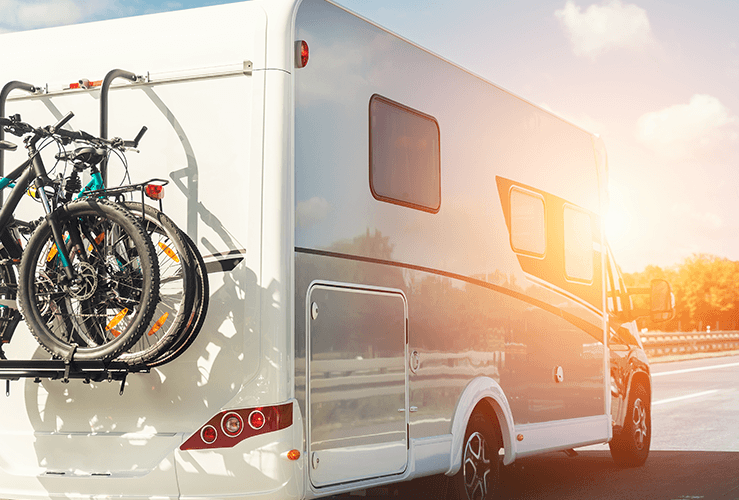
Having a C1 licence also means you can drive a recreational vehicle like a motorhome, so that pan-European road trip you’ve always dreamed of could become a reality.
Here we explain how to get C1 on your driving licence - step by step.

What is a C1 driving licence? What can I drive?
Having a C1 licence means you can drive larger/heavier vehicles (although notably not HGVs etc.). It allows you to drive vehicles weighing between 3.5 and 7.5 tonnes (with a trailer up to 750kg). It’s commonly required for:
- Delivery vans or lorries
- Large motorhomes or RVs
- Horseboxes
- Ambulances
If you passed your car driving test before 1 January 1997, you may already have the C1 category on your licence through “grandfather rights”. If not, you’ll need to apply and complete a few steps.
What are “grandfather rights”?
When UK driving laws and vehicle categories were updated, some motorists were allowed to keep their existing entitlements without having to take new/additional tests. These inherited entitlements are referred to as grandfather rights. If you have them, they will be printed on the back of your driving licence.
Reasons for getting a C1 license
Some people decide to get a C1 license so they can enter a certain profession - for example, ambulance driver.
For others, having a C1 license opens up a wealth of general employment opportunities, where driving a heavier vehicle is part of the job.
And of course it means you can drive larger recreational vehicles like motorhomes, opening up travel opportunities for you and your family.
Jobs that require a C1 licence in the UK:
- Ambulance driver / paramedic support roles (NHS and private healthcare)
- Delivery driver for heavier goods or long-distance freight
- Mobile technician or engineer (e.g., utility companies using large vans)
- Motorhome or tour vehicle transport
- Courier and logistics roles with larger vans and lorries
- Events or media production logistics
NB: With a C1 license you won't be able to drive vehicles with seats for eight passengers or more, such as a bus, coach, or minivan (you would need a Category D license for these roles).
You can learn more about the different license categories on gov.uk.
How long will it take to get a C1 license?
Assuming you’ve already got a Category B licence, getting a C1 license should take between 4 and 8 weeks - if you’re well organised.
How do I get a C1 driving licence?
Step-by-step guide to getting a C1 licence
1. Check Your Eligibility
You must:
- Be at least 18 years old
- Hold a full UK car licence (Category B)
2. Apply for a C1 licence: Provisional
Download and complete the following forms:
- D2 (Application for a driving licence for lorries and buses - C1 licence: Provisional)
- D4 (Medical examination report)
You can get these forms from the DVLA or at most post offices.
Can I make my application online?
You can’t apply fully online for a provisional C1 entitlement—because, as we shall see, you’ll need to submit a medical report on form D4 and the application form D2, which must be filled out and posted to the DVLA. However, the process does have some online elements:
What you can do online
- You can order the D2 (and D4) forms on GOV.UK uk.
- You may use the digital service to update your driving licence record and check your eligibility uk.
3. Get a medical examination
You’ll need a medical exam from a GP or private doctor to complete the D4 form. This checks your eyesight, blood pressure, and overall fitness to drive larger vehicles.
Cost: Usually between £50–£150, depending on the provider.
Do I have to be super-fit to pass the C1 medical?
The DVLA’s Group 2 medical standards are stricter than those for Group 1 (car drivers).
However, passing the Group 2 medical exam is achievable for most people, so even if you’re not ‘super-fit’, you stand a good chance of passing.
The exam covers things like blood pressure, eyesight, any neurological conditions, and mental health.
That said, even if you do have some issues, it doesn’t mean you’ll be disqualified automatically. For example, those with Type 1 diabetes or a depression may still pass if the condition is managed.
Top tip: It is likely to be cheaper if you go with a private medical examiner, rather than your local GP. The exam is not covered under your NHS entitlement, because it relates to your personal vocational/educational objectives, rather than a medical need.
A private medical examiner will charge between £50 and £80 for this service. Your GP may charge up to £150 and may refuse to do it altogether if the surgery is busy or under-staffed.
4. Send in your application
Send the completed D2 and D4 forms to:
DVLA, Swansea, SA99 1BR
Once approved, you’ll receive a provisional C1 licence.
5. Book and pass the theory test
You must pass both parts of the LGV (Large Goods Vehicle) theory test:
- Multiple-choice test
- Hazard perception test
Book these on the GOV.UK website.
LGV vs car licence multiple choice & hazard perception: Key differences
Note that the LGV tests are longer and more in-depth than the regular car licence test. There are 100 questions to answer in the LGV multiple choice exam (compared to just 50 in the car licence test); while there are 19 clips in the LGV hazard perception test (there are only 14 in the car license version).
The pass mark for the LGV multiple choice is 85/100, while the pass mark for the LGV hazard perception test is 67/100.
Cost:
- Multiple choice: £26
- Hazard perception: £11
6. Take C1 driver training
While not required by law, most candidates take C1 driver training with a specialist provider. This prepares you for the practical driving test and helps you get familiar with larger vehicles.
Courses usually range from 1 to 3 days in duration, depending on your experience.
Cost: Around £500–£1,000
If you don’t take C1 driver training, you will of course save money in the short term.
However, you’ll have a better chance of passing if you’ve had training, thereby avoiding the cost and stress of repeating the exam. Training will also help you understand all the applicable legalities of driving a C1-rated vehicle.
Note that some organisations fund C1 courses (and medicals) - such as the NHS and private healthcare providers, for their ambulance drivers.
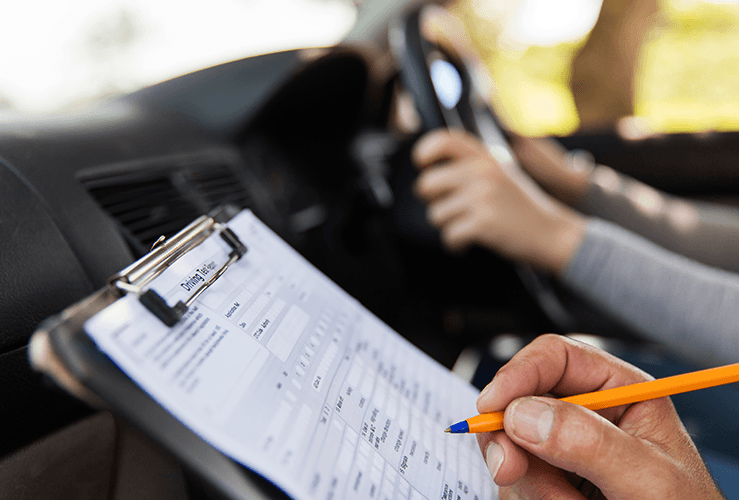
7. Pass the C1 practical test
The practical test includes:
- Vehicle safety questions
- Off-road reverse manoeuvre
- 1-hour road drive
You’ll take the test at an LGV (Large Goods Vehicle) test centre.
Cost: £115 (weekday) or £141 (evening/weekend)

Total estimated cost
Item | Estimated Cost |
Medical exam | £50–£150 |
Theory tests | £37 |
Driver training | £500–£1,000 |
Practical test | £115–£141 |
Total | £700–£1,300 |
Final thoughts on getting your C1 license
Getting a C1 licence in the UK is a structured process that takes a bit of time, money, and effort—but it opens up new career opportunities and lifestyle choices. Whether you're planning to drive an ambulance, a horsebox, or a big campervan across Europe, this licence gives you the legal go-ahead.
For the latest guidance and updates, always check the official GOV.UK site.