



Your car's turbo system - assuming it has one - boosts power and acceleration on the road.
Turbochargers can make relatively small engines deliver performance more commonly associated with bigger engines.
Turbos are popular because they give you more power without the financial and environmental costs that come with larger cars (and their larger engines).
What are the symptoms of a blown turbo? - And how to fix it?
Turbos can however, go wrong. Here we take a look at some of the causes of a faulty turbo and blown turbo symptoms...
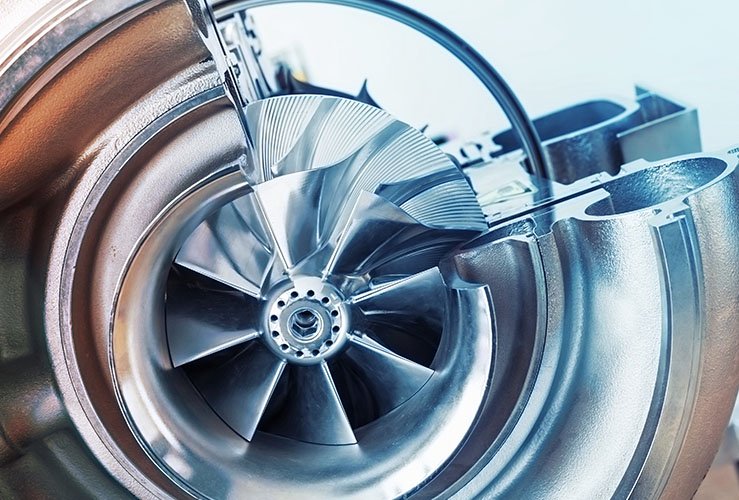
Understanding Turbochargers: How do turbochargers work?
Air and fuel mix together in your engine to produce power.
The turbo injects more air into the mixture, which makes the engine more powerful.
The turbo harnesses the exhaust system to spin an air pump, which pushes the extra air into the engine cylinders.
Turbochargers are engineered to increase efficiency without increasing engine size. By using exhaust gases to power a turbine, the system forces more oxygen into the combustion chamber.
The result is improved performance and fuel economy.
When a turbo is working properly, you’ll notice improved acceleration, smoother power delivery, and reduced lag. Understanding how turbos work can help you identify problems early and avoid long-term damage.
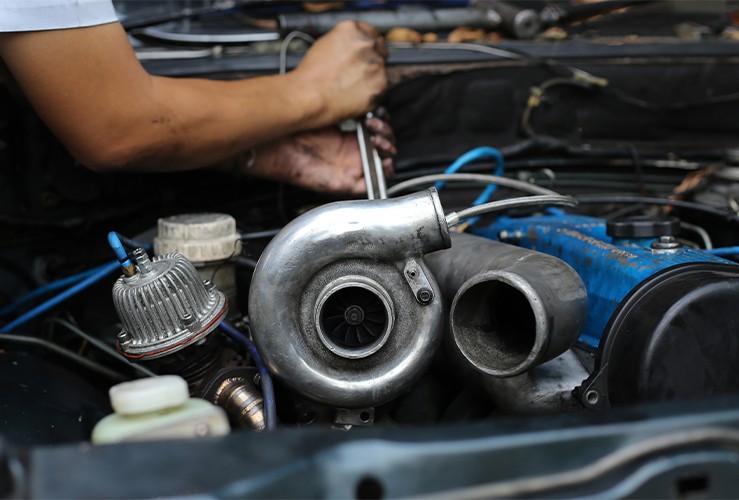
How to test your turbo is working
There are a few ways as to how to test if your turbo is working.
Some turbocharged vehicles are fitted with a boost gauge, which lets you know how much boost your turbo is producing.
It is also possible to fit a boost gauge to your car if you desire, or you can simply purchase a vacuum/pressure gauge in order to check your turbo boost pressure.
If you find that your gauge isn’t moving up as much as it used to, this could be a warning sign that your turbo charge is not working as well as it should.
There are also a number of other turbo failure symptoms you can look out for to establish when there is an issue with your turbocharger.
What are the symptoms of a blown turbo and how to fix it?
The following are bad turbo symptoms to look out for – If you notice any of these issues, it’s an indication that your car is experiencing signs of turbo failure:
Poor acceleration
If you notice your car is not accelerating as powerfully as it once did, your turbo could be on the blink.
Burning too much oil
Your turbo could be faulty if your car is burning too much oil.
To check to see if your turbo is leaking oil you'll need an endoscope. Find the downpipe at the face of the turbo unit, then unplug it. Use the endoscope to look inside. If you see oil, you may well have a problem.
It's prudent to take your car to the garage as soon as you can, since the turbo is likely to fail relatively soon.
Oil leaks can cause severe damage to the bearing systems and occur within seconds of the turbocharger beginning operation.
Too much exhaust smoke
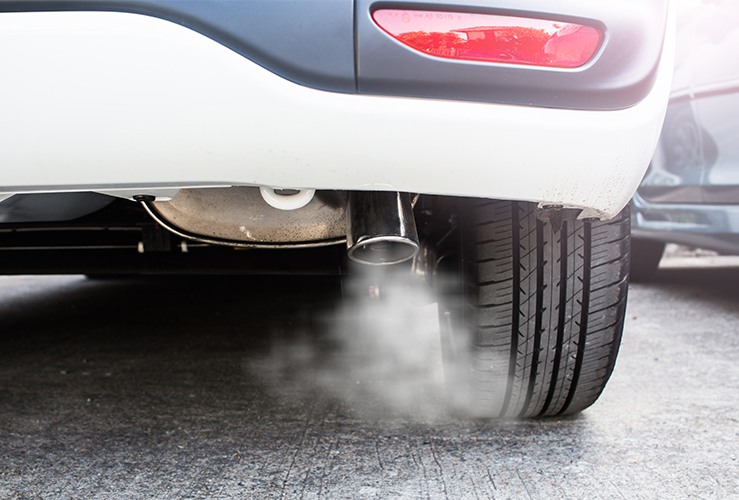
Oil can get into your exhaust if your turbo unit develops cracks, or damage to its internal seals.
The extra oil will burn off in a blue or grey hue.
You're more likely to see these heavy fumes when using the turbocharger. Rev your engine and see if excessive smoke is emitted.
Excessive fumes will likely be most visible during acceleration when the turbo work is most active.
CEL: Check Engine Light
The Check Engine Light warning can come on for various reasons, one of them being a faulty turbocharger.
For whatever reason your CEL is lit, it's important to visit your local garage and have it checked over.
Loud whining from engine
Does your turbo whine when accelerating?
Turbochargers have a tendency to whine very loudly if malfunctioning.
This turbo whine will get worse as the fault becomes more serious.
If you notice a whining in conjunction with one or more symptoms listed above, you should have your vehicle looked at by a professional.
Causes of Turbo Damage You Should Know
Turbo failure is often caused by underlying mechanical issues or poor maintenance. The following are common causes:
Wear and tear
Turbochargers are designed to last, but over time components degrade. Most turbos will last up to 150,000 miles or more with proper care.
Cracked or damaged seals
Cracks in seals reduce air pressure, forcing the turbo to work harder. This can lead to performance loss and eventually turbo faults.
Carbon or particle build-up
Failing to change the oil regularly can lead to carbon deposits in the system. These contaminants affect performance and can cause premature turbo failure.
Regular servicing and using high-quality engine oil are critical to preventing long-term damage.
Common reasons why your turbocharger has failed
There are various reasons why turbochargers fail. Here are the most common:
Wear and tear
Turbochargers are designed and built to last many years, but like all car components they will eventually fail.
You can expect your turbo to last up to around 150,000 miles - or even more if it’s seldom used.
Cracked/damaged seals
Turbos force additional air into your car's cylinders.
The pressure necessary will reduce if there are cracks in the turbo. As a result, your turbo may have to work harder to deliver the required turbo boost.
Carbon/particle deposits
Carbon deposits can build up if you do not change your oil regularly.
It's important to have your oil changed every time you get your car serviced.
Beyond preserving your turbo, it delivers numerous benefits to the overall health of your vehicle. Even relatively low levels of contaminants can lead to costly and inconvenient mechanical issues.
What to do if you have a blown turbo
Can you drive with a blown turbo?
The longer you drive your car with a blown turbo, the more damage it will cause and the more expensive it'll be to fix the problem.
Although it is possible to drive the car with a blown turbo, It's important to act as soon as possible to get the turbo repaired if you notice any of the above warning signs.
Can turbo failure cause engine damage?
Ignoring faulty turbo symptoms can cause further damage to the car’s engine.
The more you drive your car with a blown turbo, the more damage the engine will have and therefore will cost more to repair. Addressing turbo failure symptoms early can prevent further mechanical issues and reduce overall repair costs.
Less than 1% of warranty inspections identify failures caused by the turbo unit itself, according to Turbo Diesel UK.
Most issues derive from external problems such as oil contamination or lubrication issues, which are common turbo faults and lead to noticeable turbo failure symptoms.
Turbo maintenance tips
Proper maintenance can make the lifespan of your turbocharger longer and prevent costly repairs:
- Change Oil Regularly: Fresh oil reduces carbon deposits and lubricates moving parts effectively.
- Warm Up the Engine: Allow your engine to warm up before pushing the turbo to full boost.
- Cool Down After Driving: Let the engine idle for a minute before turning it off to allow the turbo to cool down gradually.
- Inspect Air Filters: Keep air filters clean to prevent debris from entering the turbo system.
By following these steps, you can reduce the likelihood of experiencing turbo failure symptoms.
Turbo replacement costs and how to save
Replacing a turbo can be expensive, and costs will depend on your car's make and model. Prices can typically range from £500 to over £2,000, which includes parts and the labour involved.
However, there are ways you can save on car turbo repair:
- Shop Around: Get quotes from multiple garages to find competitive prices.
- Consider Reconditioned Turbos: A reconditioned turbo is often much cheaper than a brand-new unit.
- Regular Maintenance: Preventative maintenance can help avoid the need for a replacement altogether.
Addressing bad turbo symptoms early can also reduce the need for costly repairs.
Breakdown cover from Start Rescue
Having a suitable breakdown cover policy in place will give you peace of mind, should you experience any issues with your car.
Why not get a quote today?
For more details on the car breakdown cover options we offer visit our car breakdown cover page.