



Tyre bulges are caused by hitting objects such as kerbs, speed bumps, potholes - and occasionally by manufacturer defects.
They can lead to blow-outs - which could cause you to lose control of your vehicle, potentially leading to injury or even death for you, your passengers and other road users.
Bulges should be addressed as soon as they are detected.

Here's our guide to tyre bulges, the danger they pose, how to avoid them - and how to fix them.
Key Takeaways
- Tyre bulges are typically caused by hitting objects like kerbs or potholes, but they can also result from manufacturing defects.
- Driving with a tyre bulge is extremely dangerous and can lead to a blow-out, risking loss of vehicle control and serious accidents.
- Tyre bulges cannot be repaired. You must replace the damaged tyre immediately.
- Regular tyre inspections and maintenance can help prevent bulges and ensure road safety.
Bulge on side of tyre: Why it happens
Bulges tend to occur on sidewalls rather than radials because sidewalls are thinner than radials, and are only reinforced with thin nylon threads.
These thin nylon strands are critical to the structure of the tyre.
The inside beading of the tyre, which holds the tyre to the wheel, is reinforced with wire which connects to the nylon strands. Radials are also reinforced with wire bands.
Damage to the interior of the tyre can push air along the nylon strands, creating a bulge or bubble within the rubber - away from the original damage point.
The combination of hitting bumps, pressure and heat will expand the bulge.
Once the bulge starts, it's only a matter of time before the tyre blows out.
Note: Bulges don't tend to occur on the tyre tread since this is reinforced with steel wire.
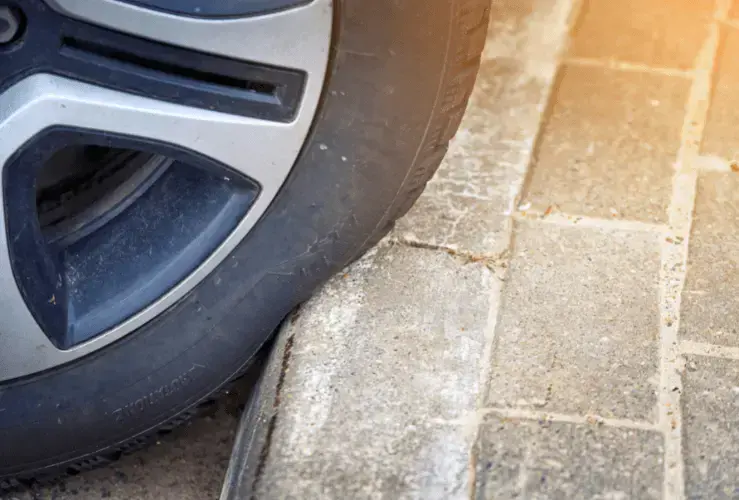
What causes a bulge in a tyre?
Tyre bulges are caused when the rubber is damaged. For example, if you hit a pothole at speed, this may flex the tyre to the degree that part of its interior strikes the wheel rim, creating a cut.
Hitting the kerb can also create a bulge, as can hitting a speed bump too fast.
Such scenarios may only damage the rubber, or may also fracture the nylon cords.
Manufacturer defects can also cause bulges.
Front wheels are more susceptible to damage because they are more likely to strike things like kerbs.
Can you drive on a tyre bulge?
While it is possible to drive on a tyre bulge, this is potentially extremely hazardous. The bulge will expand over time, eventually leading to tyre failure - or a blow-out while you're on the road.
A tyre bulge is akin to a time-bomb - so you should replace the tyre as soon as possible.
What other factors worsen tyre bulges?
Dry rotting and cracking can make tyres worse, more quickly.
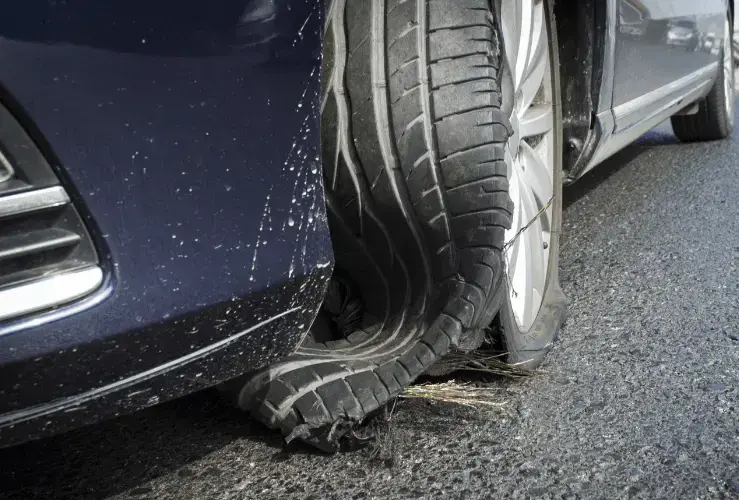
How dangerous are blow-outs?
Tyre blow outs are extremely dangerous because the driver can lose control of their vehicle, possibly resulting in a collision.
Other road users may need to swerve to avoid hitting the vehicle, which could result in injury or even death for them and their passengers.
The debris that results from a tyre blow out - such as blown radials - can also create a hazard for other road users.
How to survive a tyre blow out
A blow out will make it much more difficult to maintain control of your vehicle.
Because of the sudden nature of blow-outs, many drivers lose control of their vehicles - especially if they are driving at high speed when they occur.
Tyre blow-out survival tips:
- Regularly check tyre pressure - especially when the weather gets warmer, since higher temperatures can increase tyre pressure.
- Stay in your lane to prevent a collision.
- Don’t hit the brakes - since this can cause the vehicle to flip. Instead, gently press the accelerator - this will keep your forward momentum. Once in control of your vehicle, ease off the accelerator and come to a stop somewhere safe.
- Grip the wheel tightly as you regain control of the vehicle.
- With a motorcycle tyre blow out, close the throttle and allow the motorbike to coast to a stop, while keeping a firm grip on the handlebars.
Spotting interior tyre bulges
Bulges that occur on the inside of a tyre can be difficult or impossible to spot for most drivers - unless they regularly check under the vehicle with a torch.
Any interior bulges should be identified by your garage during servicing. Elevating the vehicle makes interior tyre wall bulges much easier to spot.
Raising the vehicle also makes it easier to spot other issues - and affords easy access for repairs and maintenance.
Even if a vehicle's tyre pressure looks normal, a bulge could be lurking on the interior tyre wall. However, tyre pressure loss is a sign there could be a bulge or other damage.
Pinpointing tyre bulges is critical if your vehicle is to remain roadworthy.
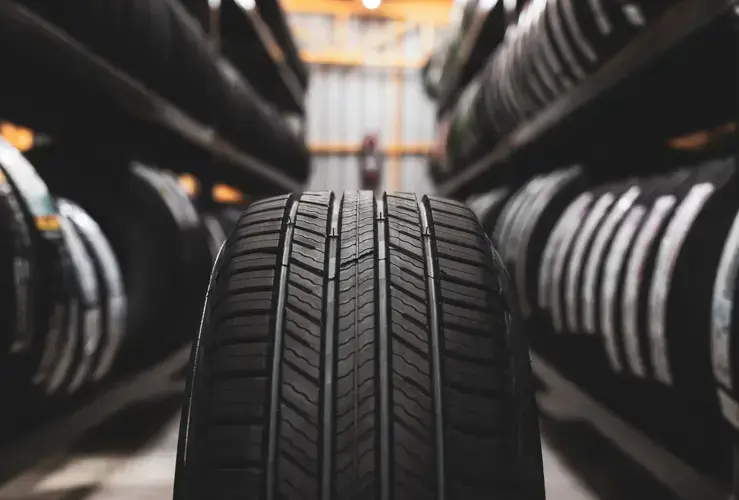
Understanding Tyre Structures
Tyres are made up of multiple layers designed to balance strength, flexibility, and grip. The key components include:
- The tread – the outermost layer designed for traction.
- The sidewall – provides lateral stability but is thinner and more vulnerable to bulges.
- Steel belts – layers of steel wire beneath the tread that add strength and resist punctures.
- Fabric plies – often nylon or polyester, running beneath the surface to maintain the tyre’s shape.
- The inner liner – a rubber layer that holds air pressure inside the tyre.
When the internal cords or fabric layers are damaged, air can escape and push against the sidewall, forming a bulge. This structural weakness makes replacement essential rather than repair.
Buying superior quality tyres
As with many products, the more you pay for tyres, the less prone they will be to damage - and the longer they should last.
For instance, heavy duty tyres for lorries and trailers will have more layers - or "ply" - of nylon, increasing their strength.
Non-ferrous metals such as copper-brass are used in the radials of better quality tyres.
How to take care of your tyres to prevent bulges
- Regularly check your tyre treads for bulges and other damage.
- Under UK law tyre tread should be 1.6mm (the same as the width of a 20 pence piece’s outside band) across the central three quarters of the tread.
- Increase frequency of checks in summer months, since heat, combined with underinflation, can lead to damage and in some cases blowouts.
- Ensure tyre pressure is correct (consult your owner's manual, or side door sticker, for the right PSI).
- Rotate and balance your tyres every 5,000 miles or so.
Regular Tyre Inspections
To reduce the risk of tyre bulges, carry out visual inspections at least once a fortnight and before long journeys. When inspecting, check for:
- Visible bulges or bubbles on sidewalls and treads.
- Cracks, cuts, or embedded debris.
- Uneven tread wear, which may indicate suspension or alignment issues.
- Loss of pressure that could suggest internal damage.
According to TyreSafe, 190 people were killed or seriously injured in 2023 as a result of defective tyres. This marks a 29% increase compared to 2022 and represents the highest number of casualties from tyre defects since 2018.
Many of these incidents are linked to issues such as bulges, which often go unnoticed until they lead to a dangerous blow-out.
Frequently Asked Questions
You should replace a tyre with a bulge immediately to avoid the risk of a blow-out.
Yes, though it's rare. Tyre bulges on new tyres can result from manufacturing defects.
Vehicles with heavier front loads, such as vans and SUVs, may be more prone to tyre bulges due to the additional pressure on the front wheels.
It’s recommended to inspect your tyres at least once a month for signs of bulges or other damage, and before long trips.
TPMS generally alerts drivers to low pressure or leaks, but it may not always detect tyre bulges. Regular visual inspections are still essential.
Bulges tell you the tyre has suffered serious structural damage and cannot be repaired.
You should replace any tyre that has a bulge.