



Confusingly, alternator fault signs and dead-battery-in-car symptoms can overlap. In this article we’ll explain how to tell if your battery or alternator is bad.
If your car won’t start, there's a clicking noise when you turn the key, or the lights are flickering, it could be the battery…
…Or the alternator.
Indeed, there’s a significant overlap between the symptoms of a dead or dying car battery, and an alternator fault. That’s because these two critical components work in unison - they’re the automotive equivalent of work colleagues.
Thankfully, there are ways to tell them apart. In this article, we’ll explain how to tell if your battery or alternator is bad.
How to know if your battery is dead
Common dead-battery-in-car symptoms include:
- Your car won’t start, but cranks slowly or clicks: this usually means it’s a flat battery.
- It works after a jump start, but dies again once it’s turned off.
- Your electrical accessories (radio, lights, power windows) are weak or dead even before starting.
- The battery warning light may not be on if it’s just drained.
So, if the car runs fine after a jump start and doesn’t stall, it’s probably just the battery.
How to know if your alternator is faulty
- The car starts but stalls soon after: this suggests the alternator isn’t recharging the battery.
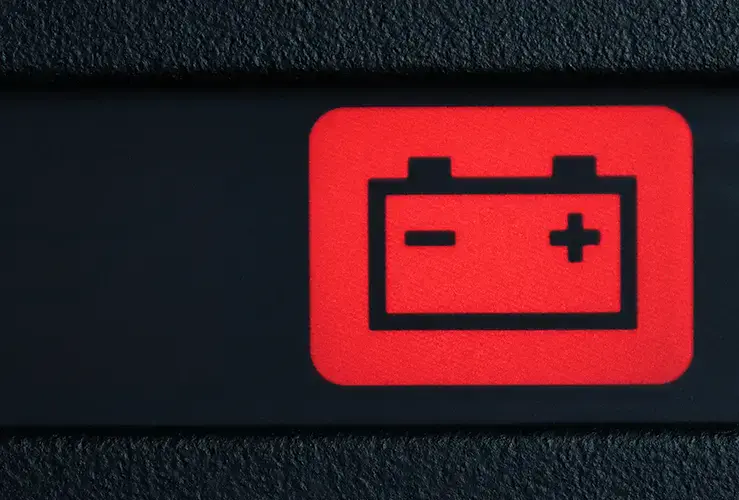
- The dashboard warning light (“ALT” or battery symbol) stays on while driving.
- Dimming or flickering lights that change with engine speed.
- Burning rubber or electrical smell (suggests an alternator belt or wiring issue).
- Strange noises (i.e. whining or grinding) are coming from the alternator area.
If a jump start works, but the engine dies again soon after, the alternator is most likely the culprit.
How to check if your battery or alternator is bad: Quick DIY tests
Now we’ve looked at common signs of a bad car battery vs alternator, follow these steps to check which it might be.
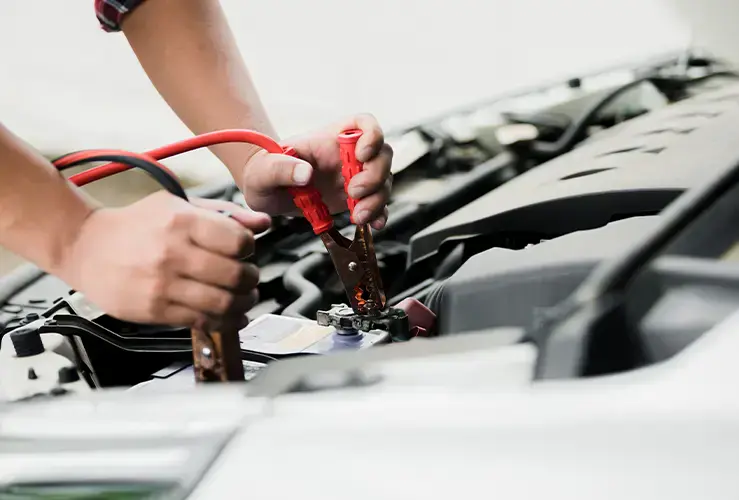
1. The jump start test
- Jump the car.
- If it stays running, you probably have a battery problem.
- If your car stalls shortly afterwards, it is likely the
2. The headlight test
- With the car running, turn on your headlights.
- Rev the engine: If the lights brighten, it means the alternator is charging. If they stay dim/flicker, then there’s an alternator issue.
3. The battery voltage test (with a multimeter)
- Engine off: battery should read ~12.6V (alternator is healthy).
- Engine running: should read 13.8–14.4V (alternator is charging).
- Below 13V running: your alternator has developed a fault.
In short:
- The engine won’t start at all/only clicks: it’s the battery.
- The engine starts, then stalls or lights flicker: it’s the alternator.
Similar symptoms: Battery vs alternator
When it comes to working out how to tell if a battery or alternator is bad, there are (annoyingly!) some overlapping symptoms.
- The car won’t start (either won’t crank at all, or cranks weakly).
- Clicking noise when turning the key.
- Dim or flickering headlights and dashboard lights.
- Electrical issues such as a weak radio, windows, or wipers.
- Battery warning light on the dashboard (this can point to either issue).
- Your car needs frequent jump starts.
Why is there some symptom overlap?
- A failing alternator drains your battery, so it mimics the symptoms of a dead battery.
- A dead battery by itself also prevents the alternator from working properly so at first glance, it feels the same.
How to fix these issues
Now we’ve covered how to know if your battery is dead, or if it’s your alternator, you’ll want to know how to get back on the road. Here are the most common fixes:
If it’s the battery:
A jump start may work - this will get you going short term (so you can reach home or a garage), but unfortunately the problem will come back if the battery is weak or dead.
You may also be able to recharge it if the battery is only drained (e.g., left lights have been on). You can recharge it with a suitable car battery charger.
Consider replacing the battery if it’s old (3-5 years+), won’t hold sufficient charge, or keeps dying. If unsure, a new battery is the most appropriate fix.
If it’s the alternator:
Replace or repair it: alternators generally last 7 to 10 years, but eventually they do fail. In the vast majority of cases, a new alternator is the best, and perhaps only, solution.
You might also check the alternator belt: sometimes it’s not the alternator itself but a loose or worn drive belt preventing it from charging properly. If you’re unsure how to do this, take your car to your local garage.
Fix wiring/connection issues: corroded cables, loose connectors, or blown fuses can also mimic alternator failure. Again, have your vehicle checked over by a professional.