



In order to stay safe on the road, your tyre sidewalls must be in good condition at all times. Learn the signs of sidewall damage, what can cause it, and what you should do if you spot it.
Your car's tyre sidewalls are critical for supporting the weight of your vehicle, and for absorbing shocks. Any damage can weaken the tyre's structure, increasing the chances of sudden failure - or even a dreaded blow out.
Even relatively minor damage - like deep scuffs or bubbles - can compromise the structural integrity of your tyres, thereby placing you and your passengers at risk.
Ultimately, sidewall damage is deemed not repairable. Attempting to repair tyre sidewall damage is almost certain to fail, and could put you and your passengers at risk.
In this guide we'll explore the different signs of sidewall damage, and your next steps.
What is tyre sidewall damage?
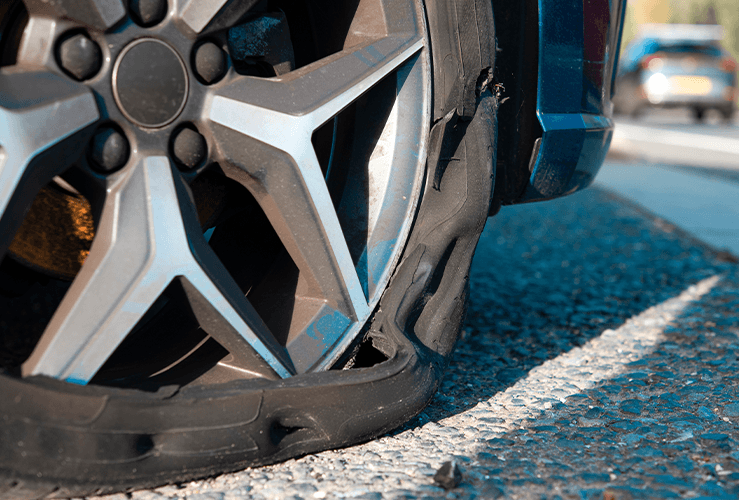
Tyre sidewall damage can take various forms - including cuts, cracks, bulges, scratches and bubbles.
As mentioned, in most (if not all) cases, this kind of damage is not repairable and you should replace the tyre(s) as soon as you can.
What should you do if you spot sidewall damage?
First, if you spot any damage, don't be tempted to drive. Instead, look for gouges and cracks in the sidewall of the tyre.
Any further driving should be done slowly and steadily. Ideally, any journeys should be to a tyre replacement centre/garage.
Remember that sidewalls cannot be repaired - so don't be tempted to use tyre puncture repair kits/plugs; they're not designed for sidewalls.
Get the damaged tyre replaced as soon as you can. Undertaking tyre sidewall repairs is dangerous and could put you at risk of a sudden failure or blowout.
If you have a usable spare tyre, fit that straight away.
When to seek professional help
If you're unsure whether the affected area is on the sidewall, visit your local garage or tyre repair centre. Below we'll discuss what area is considered 'sidewall'.
Which area is deemed 'sidewall'?
The sidewall of a tyre is the smooth, vertical section between the tread (the area that contacts the road) and the bead (where the tyre seals against the wheel rim).
In short, it’s the part of the tyre you can see clearly when looking at your car from the side.
Hallmarks of a sidewall:
- The tyre's brand, size, speed rating etc., are printed/embossed there.
- It's on the tyre's side, away from the treaded area (none of which is considered sidewall).
- It's manufactured from flexible yet durable rubber that has been reinforced with cords. Any damage could compromise structural integrity, which, again, is why you should not try to repair the sidewall of a
What causes tyre sidewall damage?
Various events can cause sidewall damage. It can also be damaged over time by UV sunlight and age.
Common causes include:
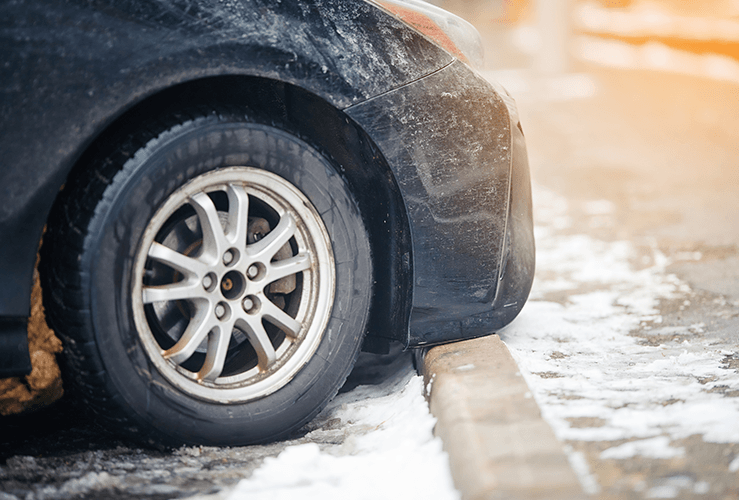
Striking a kerb: This is very common and causes cuts, scrapes or internal fractures. Always check your tyre after hitting a kerb.
Potholes: If you run over a pothole at high speed it can crack a tyre's sidewall, potentially resulting in bulges or cord separation.
Sharp debris: Things like nails, glass, or metal pieces can slice into a tyre's sidewall.
Underinflation: Driving on tyres that are not properly inflated can mean excessive sidewall flexing, which can lead to irreparable damage. Over time, it may result in a sudden tyre failure - or even a blow out. The latter is an explosive loss of pressure that can make handling your car very difficult. It goes without saying that a blow out is very dangerous indeed.
Age and UV exposure: Rubber will degrade over time, without any specific strikes against other objects. Older tyres may suffer from dry rot and cracks, particularly if not driven often, or if exposed to longer periods of sunlight.
Manufacturing defects: This is rare, but it can happen. A defect might cause premature failure or sidewall bubbles.
Vehicle overloading: Carrying too much weight stresses out the structure of tyre sidewall, shortening its lifespan.
Final thoughts
If you do notice any defects on one of your tyres' sidewall - such as bulges, deep cracks, or exposed fabric cords - it is not safe to continue driving and you should get a replacement as soon as you can. Attempting to repair tyre sidewall damage is highly unadvisable, and most likely won’t work.
Remember, if you do have to drive on a damaged sidewall, proceed slowly and steadily, to reduce the chances of a sudden failure. You'll also be able to control the vehicle more easily if there is a serious failure or blowout.