



How much does it cost to charge an electric car in 2025? The answer depends on whether we’re talking EV charging at home, or public charging. Discover the average outlay for home charging compared to public charging, petrol and diesel costs with our guide.
A key argument used to encourage drivers to go electric is: “It will save you money in the long run.”
But is this really true?
While the government’s overarching aim is to bring greenhouse gases under control, and while much of the public are on board with this, the fact remains: people are not going to want to take up an entirely new type of vehicle if it winds up being more expensive than the outgoing vehicle types - namely petrol and diesel cars.
But of course, by 2035, drivers won’t have much of a choice: because sales of new petrol, diesels and hybrids will be banned.
The importance of home electric vehicle charging in promoting EVs
Central to the claim that ‘electric cars will save you money’ is using a home electric car charger. Indeed, it’s the only real way to reduce the costs of running a private vehicle as we move further into the second quarter of the 21st Century.
Let’s take a look at the real-world costs of home charging.
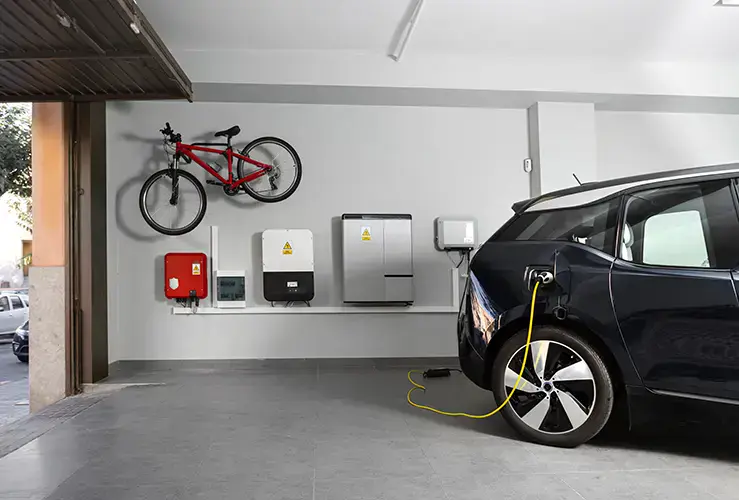
What you pay to charge at home (2025)
- According to AutoHit, as of 2025, typical home charging costs are about £0.28 per kWh on a standard electricity tariff which translates to roughly £8–£12 per “full charge” (depending on the battery size in question).
- The figures are even more impressive if you use an off-peak / “smart” EV tariff (overnight, cheap-rate electricity), some tariffs quote around £0.14/kWh, meaning a full 60 kWh battery might cost about £8.40 - potentially around half the cost of a standard electricity tariff.
- For many owners, typical “per-mile” charging cost becomes much lower than petrol/diesel: according to UK Business Times, this could be roughly 3–7p per mile, depending on tariff and driving habits.
Up-front and ongoing setup costs
Aside from the cost of an electric car in the first place, which may be reduced by the electric car grant (ECG) if the model meets certain criteria, you’ll need to pay for the installation of a dedicated home charging system.
- Installing a dedicated electric car charger for your home (e.g. a 7 kW wallbox) in 2025 tends to cost about £800 - £1,500, depending on hardware, wiring and installation complexity.
- Many UK homeowners may qualify for some government or supplier grant support which can offset part of the cost of installing a car charger at home (up to £350), depending on eligibility.
- So, while there are up-front electric car costs to factor in, the long-term “fuel” savings tend to repay that investment - especially if you charge at home on a frequent basis, and try to avoid public charge points.

Real-world annual/long-term costs vs savings
- For someone driving about 10,000 miles per year and charging mostly at home (with a favourable “off-peak” or “Smart” tariff), annual electricity costs might be £300- £500, which is considerably cheaper than typical petrol/diesel fuel costs.
- Compared with a petrol or diesel car, many EV drivers report £900–£1,200/year in “fuel” cost savings when switching to home-charged EVs, according to
- Over 5 years, this might add up to several thousand pounds saved, offsetting upfront installation and purchase costs for many EV owners.
- However, using domestic electric car chargers stands in stark contrast to using public chargers, which, on an annual basis, would likely be more expensive than using a petrol vehicle.
What can raise your “real” costs (and erode savings)
- If you don’t have a home charger or driveway, and rely on public or rapid chargers, cost per kWh is much higher: rapid public chargers can cost around £0.55–£0.79/kWh in 2025.
- Charging during “peak” electricity-rate hours (daytime, standard tariffs) is more expensive - sometimes nearly twice the off-peak cost. For this reason, hunting for a good value or “smart” off-peak tariff is critical if you want to save money.
- Installation complexity: if your home needs wiring upgrades, or if you live in a flat/tenement that doesn’t have private parking, installation may be more tricky or more expensive.
- Increased home electricity demand may raise your overall household energy bills (especially if you don’t optimise charging for off-peak hours).
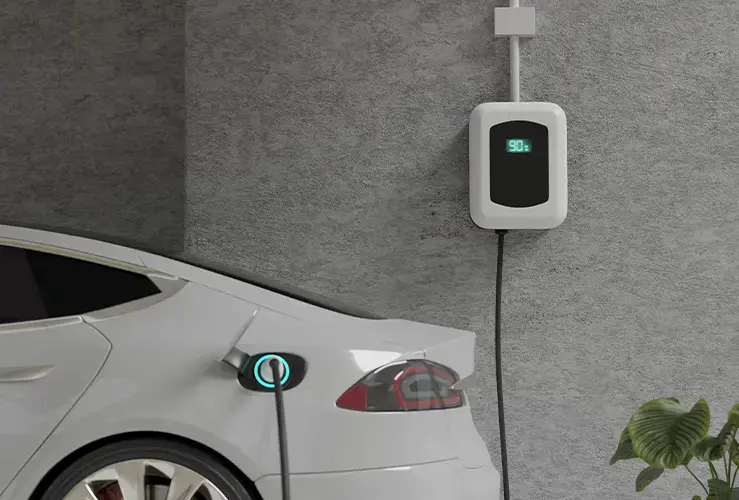
What this means: When does home charging make sense?
Home charging can certainly reduce the running costs of your electric car, especially if you:
- Have a driveway or private off-street parking (to install a wallbox charger).
- Use a smart or off-peak electricity tariff - which will dramatically reduce per-kWh cost.
- Drive enough miles - reasonably often - in order to spread the cost of installation. If you don’t drive very often, it will take longer to “recoup” the cost of installation in savings.
If you lack dedicated home charging and need to rely heavily on public fast chargers, then the savings get much smaller, and EV ownership becomes considerably less “cheap to run.”
Home charging costs vs public, petrol & diesel
How does home charging compare to public charging, petrol and diesel costs?
Powertrain / Fuel Type | Cost per mile (typical) |
Electric (home-charged, off-peak) | ~ 7 p per mile (GOV.UK) |
Electric (public / rapid charger) | ~ 14 p per mile (GOV.UK) |
Petrol (typical mid-size / family car) | ~ 12 – 15 p per mile (All Car Leasing) |
Diesel (typical mid-size / family car) | ~ 11 – 14 p per mile (All Car Leasing) |
Annual cost for 7,100 miles per year
How much do electric cars cost to run for a year? The average UK motorists drive around 7,100 miles per year. Here’s the approximate associated costs for each of the main powertrain types.
Vehicle Type | Annual Cost (7,100 miles) |
Electric (home charging) | £500 |
Electric (public charging) | £994 |
Petrol car | £850 – £1,065 |
Diesel car | £780 – £995 |
How much does an electric car cost?
Because the UK’s electric car grant (ECG) is only available on vehicles with a list price of £37,000 or less, many new EVs are priced under this threshold. However, prices for more premium feature-rich models can exceed £50,000.
One of the cheapest EVs available in the UK is the Chinese-built Dacia Spring, starting at around £14,995. Then there’s the Leapmotor T03, at around £15,995.
Going up the scale but still relatively affordable are the BYD Dolphin Surf, Citroën ë‑C3, and Renault 5 E‑Tech, which can all be purchased in certain variants for under £25,000.
Electric cars tend to be more expensive than comparable petrol cars due to their engines and battery packs. For example, the petrol version of the Vauxhall Corsa can be bought new for around £19,000, while the electric version costs £29,000.
With this in mind, and considering there are still 10 years before the ban on petrol cars comes into force, buying a petrol car may still make sense for some motorists. However, buying an EV and then home charging will deliver savings in the long run, potentially making overall EV-vs-petrol outlays comparable.