



How much are car diagnostics in 2025? Learn about the different test types, and why they can prove invaluable in keeping your car in good, and safe, working order.
If your car is relatively modern, it’s likely to have dozens of computers (ECUs) that control or monitor systems like the engine, transmission, anti-lock braking, and airbags.
It’s important to keep an eye on these systems by way of diagnostics tests. If there’s a problem, the testing process will flag an error code (or codes), letting you or your mechanic know exactly what the issue is.
Car owners often get a test done when a dashboard warning light comes on, so they can find out exactly what the root cause is. However, it’s prudent to have a test carried out occasionally, in order to identify any brewing issues or ‘gremlins’.
It’s basically like a health check up for your car.
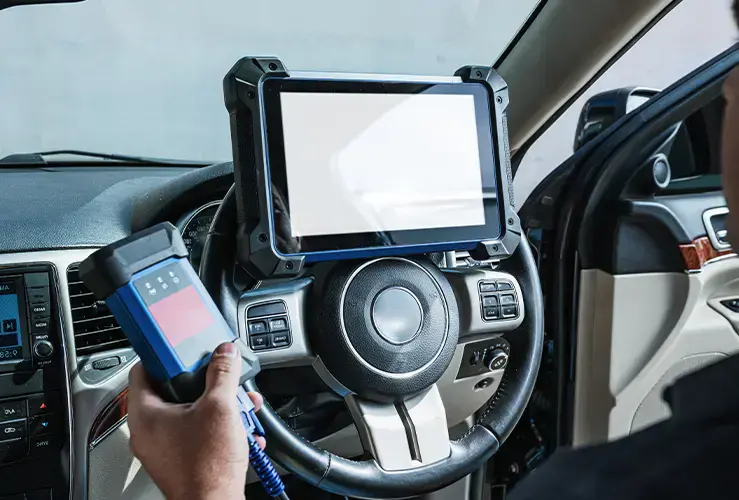
So how much is a diagnosis for a car?
Car diagnostics costs depend on many factors, the main one being whether it's a basic or a full diagnosis.
A basic diagnostics test will cost between £30 and £50. This involves a diagnostics device being plugged in to your vehicle, and any error codes being read. It takes around 20 minutes to complete. A basic test will alert you to issues with the engine and in some cases transmission, but otherwise it’s not very in-depth.
A full diagnostics test will set you back between £80 and £150+. It involves scanning all ECUs in the car, not just the engine. It also reads live data (sensor readings, fuel pressure, airflow, electrical signals, etc.), and tests multiple systems, including the engine, transmission, ABS, airbags, climate, infotainment, ADAS (driver-assist).
Price for diagnostic on car: independents, chain garages & dealers
Service / Provider | Example Price(s) |
Basic diagnostics by local garage | Between £40 to £60 |
Diagnostics at chain garage like Halfords | Around £49.99 |
Independent garages / specialists | £75-£120+ for more complex diagnostics |
Main dealers | Often £100-£150 or more for diagnostics, especially for luxury/sports brands etc. |
Mobile mechanic (basic diagnostic) | £87 average; for some higher end brands this can cost more (£105 for certain brands) |
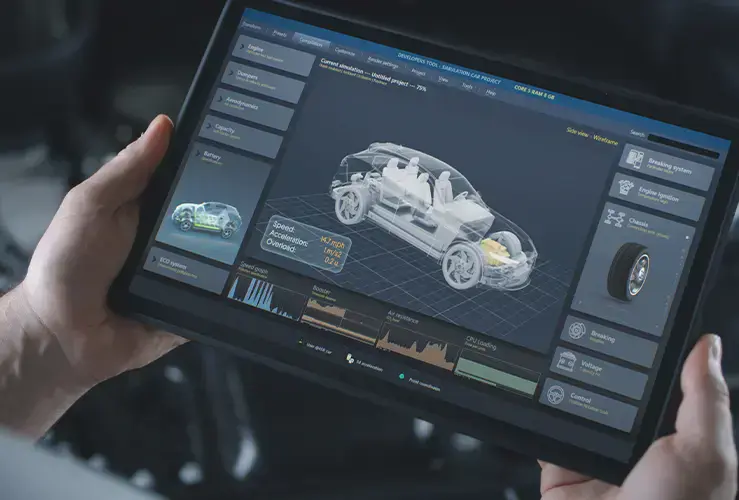
Car diagnosis price: Why does it vary so much?
How much you pay depends on the make and model of your car, your location, and the specific garage or service you choose. Some luxury or sports cars may require specialist equipment, which can add to the cost. Indeed, some high end cars may need to be taken to a garage that specialises in that particular make and model.
What affects car diagnostics costs - at-a-glance
- Whether it's a basic scan (just reading fault codes) or a full diagnostic (checking all your car’s systems: engine, transmission, sensors, electrics, etc.).
- If your vehicle is a prestige/luxury brand or requires specialist diagnostic tools.
- Whether you use a main dealer (usually costing more) or an independent/local garage (in most cases cheaper).
- Your location (you’ll find that prices in London and other large cities tend to be higher).
- Whether you opt for a mobile mechanic or take your car to a garage.
- Garage Experience: Some experienced mechanics or specialised garages may charge more for their expertise, and access to their high-quality equipment.
- Diagnostic Equipment: The sophistication of the diagnostic equipment used by the garage can impact the price.
Getting a diagnostics test: What to consider
- Get quotes: Get in touch with a few different garages to compare their prices and services. This will help to minimise your cost of car diagnostic
- Understand what's included in the deal: Some garages offer free diagnostics, but this is usually on the understanding that you'll have any necessary repairs done with them.
- Look for experts: If you have a complex or high-performance vehicle, you might be better off finding a specialist with the right equipment and experience.
5 benefits of a car diagnostics test
2. Prevents even worse damage from occurring - catching faults early can stop breakdowns or costly repairs later.
3. Improves safety - detects faults in critical safety systems like brakes or airbags which are essential for keeping you and your passengers safe on the road.
4. Keeps the car running efficiently - fixing sensor/engine issues can improve fuel economy and emissions, in turn saving you money, and protecting the environment.
5. Gives you peace of mind - you’ll know whether that warning light is a minor issue or something more serious.
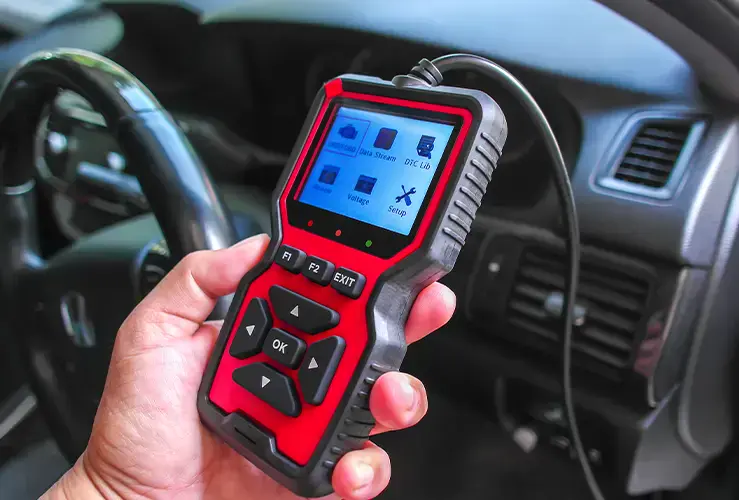
Can I carry out a diagnostics test myself?
Yes, to a certain extent, it is possible to carry out a diagnostics test on your own car. However, there may be limitations regarding how much data you can get hold of, unless you invest a lot of money in a high-end scanner.
In order to read error codes on modern cars, you’ll need to borrow or, more likely, buy an OBD II scanner. A basic model will cost around £20, while a full diagnostics scanner could set you back several hundred pounds.
Even if you purchase a device that says it can carry out a full diagnosis, it may not actually be able to do so, especially if you have a high end or luxury vehicle.
To use such a device, you simply plug it into the OBD II port on your vehicle, which is usually located near the steering column of the foot pedals. You then run the device, and hopefully it will show you any error codes.
Some high end devices will tell you what any error codes mean. Otherwise, you can look up the error codes online.