


Filling tyres with nitrogen is billed as helping drivers to maintain tyre pressure and protect the rubber and wheel from oxidation. But is nitrogen really any better than good old-fashioned compressed air? Is it worth the money, or just a bit of a gimmick?
When you visit a tyre service centre, you might be offered nitrogen filling for your tyres instead of standard compressed air. It often comes at an extra cost, which raises the question: is it worth it? To answer that, it helps to understand what nitrogen inflation actually does, and whether the benefits make sense for everyday drivers.
Why nitrogen? Aren’t we using it already?
Normal compressed air already contains around 78% nitrogen, alongside 21% oxygen, and small amounts of other gases. When a tyre is inflated with “nitrogen,” it’s typically 93–95% pure nitrogen. That slightly higher concentration changes how the tyre behaves under certain conditions - which has led to various beneficial claims.
5 potential benefits of nitrogen inflation
1. Slower pressure loss
One of the most advertised benefits of nitrogen filling for tyres is that nitrogen leaks out more slowly than oxygen. Molecules of oxygen are slightly smaller than nitrogen molecules, so they seep through the rubber with ease. In practice, this means tyres filled with nitrogen may hold pressure a bit longer than those filled with air. In truth, the difference may not be very noticeable.
Why it matters: Correct tyre pressure improves fuel efficiency, handling, and tyre lifespan. However, this difference is fairly modest. Indeed, don’t think that filling tyres with nitrogen is a “one and done” situation: you still need to check pressures regularly to stay safe on the road.
2. Reduced oxidation
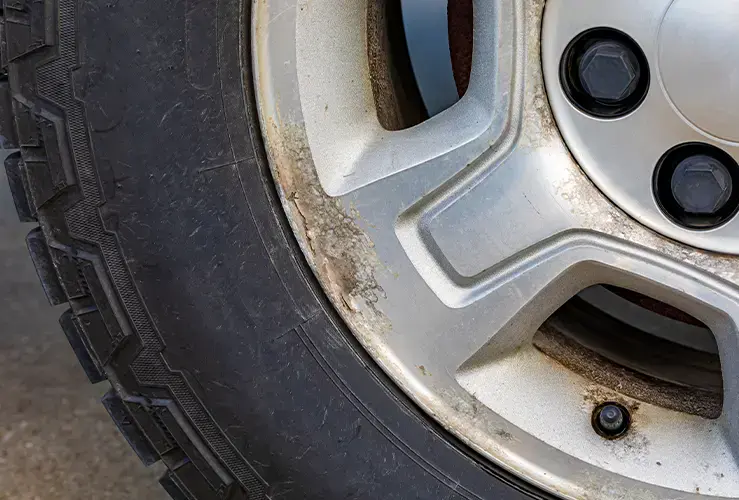
Oxygen inside a tyre can react with the rubber and the steel components of the wheel, very gradually causing degradation. Nitrogen, being inert, doesn’t support this oxidation - a key (if minor) advantage of inflating tyres with nitrogen.
Why it matters: In theory, tyres and rims could last longer, especially in high-temperature environments. For normal road cars that are used for the likes of supermarket visits and weekend getaways, the benefit is likely to be rather minor. However, in racing or aviation, where heat is intense, it makes more sense.
Don’t forget, parts of your wheels will be exposed to the air outside, so they will be impacted by oxidisation anyway.
3. More stable pressures at high temperatures
Nitrogen doesn’t expand and contract with temperature quite as much as ordinary, compressed air - which contains moisture. Tyre service centres/shops that use nitrogen in tyres often dry the gas first, removing water vapour. This means that tyre pressure should remain more consistent under extreme driving conditions.
Why it matters: In car racing, aircraft landings, or driving heavy lorries, consistent pressures are very important. For the average commuter, who rarely (if ever) heats their tyres to those extremes, the difference is far less noticeable!

4. Improved fuel economy (indirectly)
Most of us keep an eye on fuel economy - another factor that nitrogen purports to improve. Tyres that are pumped up to the correct pressure reduce rolling resistance. While nitrogen in tyres doesn’t save fuel itself, tyres that stay at a stable pressure longer are less likely to be underinflated. That, in turn, can help maintain fuel efficiency. However, whether filling with nitrogen is worth the time, effort and extra cost is very much up for debate - especially for the average UK driver.
5. Safety margins (avoiding blow-outs)
Because underinflated tyres can overheat and potentially fail, maintaining steady pressure with tyres filled with nitrogen may reduce the risk of blowouts - particularly in vehicles under heavy load or driving in hot climates. Again, this might not be a huge issue for the day-to-day driving of a small family car in the UK.
The drawbacks
Cost
Tyre centres often charge £1–£2 per tyre (or more) for filling tyres with nitrogen. Over time, that can add up.
Convenience
Regular compressed air is available at almost every petrol station. Stations that offer nitrogen for tyres, in contrast, are rarer, meaning you might have to mix nitrogen with air if you need a quick top-up, reducing its benefits.
Tyres filled with nitrogen: Are the benefits inflated?
For everyday drivers in the UK, the improvements in tyre life, safety, and fuel economy are usually small. Regularly checking and adjusting your tyre pressures with normal air will give you most of the same benefits.

So, who really needs nitrogen?
- F1 and other motorsport teams: Where tyre temperature consistency is critical, and small advantage might contribute to more success on the track.
- Aircraft: Landing tyres reach extreme heat and stress, making nitrogen safer and more predictable. When it comes to aircraft safety, no expense is spared.
- Commercial lorries and fleets: Nitrogen can help reduce downtime and tyre maintenance costs, which can add up if you operate hundreds of vehicles.
- Drivers in very hot climates: Pressure stability and reduced oxidation may make a difference when vehicles are being driven in warmer climates. For UK-based vehicles, this might not be too much of an issue.
For the average commuter or family car, the cost and inconvenience often outweigh the benefits.
Can I top up nitrogen-filled tyres with compressed air if I need to?
Yes, you can top up nitrogen-filled tyres with compressed air if necessary - there are no risks. However, the level of nitrogen present will be diluted with the regular compressed air, so any (already modest) benefits will be reduced very slightly.
In conclusion
Filling tyres with nitrogen isn’t harmful, and it does provide some genuine advantages, particularly in specialist applications. But for everyday motorists, the benefits are modest compared to simply maintaining the right pressure with ordinary compressed air.
In other words, nitrogen is a ‘nice-to-have’, not a ‘must-have’. If you already have access to it and don’t mind paying a little extra, it may keep your tyres slightly healthier for longer. But if not, regular tyre pressure checks with standard air will keep your tyres safe, efficient, and long-lasting.