

Far from being the preserve of HGVs, delivery vans and agricultural vehicles, reinforced tyres may be useful - or indeed essential - for various other vehicle types. Learn about reinforced tyres, and whether or not you need them on your vehicle.
What are reinforced tyres?
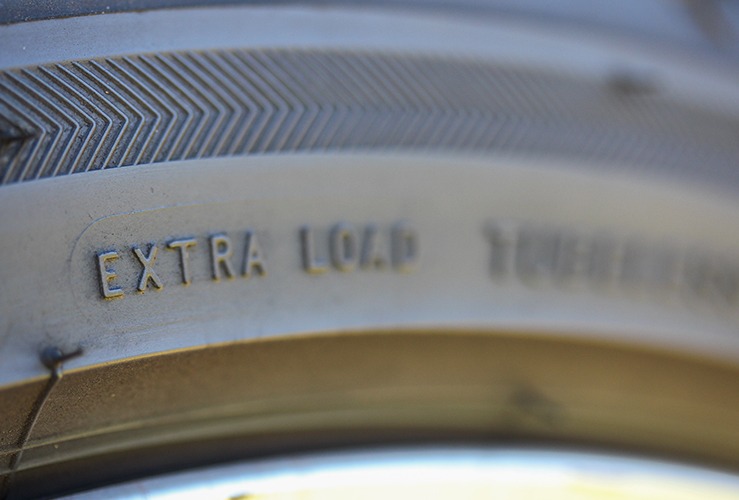
Reinforced tyres, as the name suggests, are reinforced with extra sidewall layers in order to handle heavy loads and higher levels of tyre pressure. Reinforced tyres are also known as ‘extra load’ (XL) tyres and are more durable than regular ‘standard load’ (SL) tyres. XLs are better able to deal with potholes, curb strikes and other damage sustained on the road.
But do you need reinforced tyres on your vehicle?
You might surmise that tyre reinforcement is only for super-heavy vehicles like lorries and delivery vans. But they can be of great use to regular motorists, too - for certain applications.
Let’s take a look at vehicle types that might benefit from the reinforced tyre, and whether or not a set might be of use to you.
What does XL mean on tyres? XL meaning explained
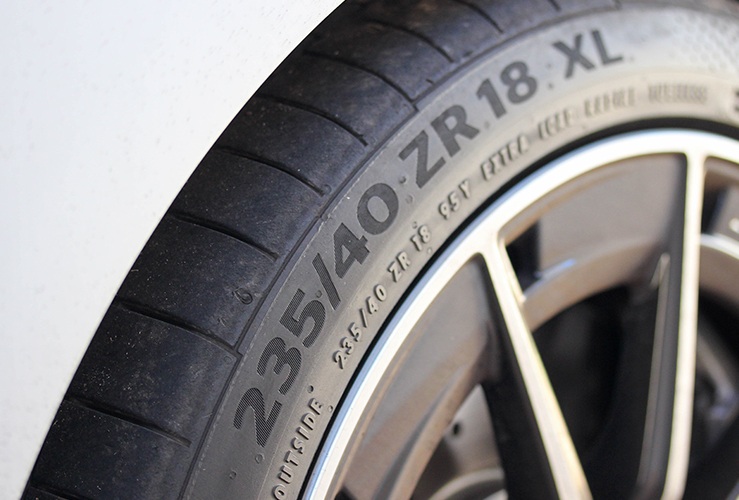
First of all, how can you tell if your vehicle has reinforced tyres? In short, if you see the following markings on the tyres, they are reinforced.
XL (most common)
Reinf (abbreviation for Reinforced — especially in Europe)
EL (Extra Load — less common)
If your vehicle was factory-fitted with XL tyres, they should be replaced with the same type - not standard load tyres.
Note that ‘XL’ does not mean ‘extra large’
Unlike in other areas of life, ‘XL’ in this case does not mean ‘extra large’. Apart from being visually bigger, larger tyres can be identified by their sidewall markings (or door jamb information). For instance, with 225/55 R17 97W, “17” lets you know that the diameter of the wheel is 17 inches.
Heavy/loaded vehicles
If your vehicle regularly makes trips while carrying multiple passengers, tools, or luggage, installing reinforced tyres can help manage the extra load, while increasing durability and lifespan.
They might be fitted on vans, estate cars, SUVs, and cars that tow caravans.
For example, many higher-spec Range Rovers come with XL tyres. The BMW X-range, and the Audi Q series also feature XL tyres, in order to handle the extra weight of these types of vehicles.
High-performance or sports vehicles
Equally, many high performance or sportier vehicles come factory-fitted with XL tyres. This means they can handle the extra power/torque produced by such cars. For example, the Volkswagen Golf GTI / R and Audi S3 / RS3, both come with XL tyres.
Estates, saloons, and touring vehicles
These heavier vehicles often feature reinforced tyres.
Electric vehicles
EVs have very heavy battery packs, which is why they often come factory-fitted with reinforced tyres. Examples include all the Tesla models, Polestar vehicles, and the Hyundai Ioniq series. Electric vehicles also deliver high instant torque, which can put extra pressure on tyres, making XL tyres a pretty standard EV component.
Commercial use
Naturally, commercial vehicles that often carry heavy loads need XL tyres. Lorries and heavy-duty vans will have them as standard. Even smaller commercial vans like the Kangoo have reinforced tyres, sometimes marked ‘C’ for ‘commercial’ - or ‘XL’.
Run-flat tyres
‘Run flat tyres’ are also reinforced. This is so they can continue to bear the vehicle’s weight after a puncture - at least for a short distance (around 50 miles at low/moderate speeds). This should give the driver sufficient opportunity to reach a garage, tyre centre, or home.
Driving on poor or rough roads
Vehicles that often need to drive over rough terrain, unsealed roads, or stretches with many potholes or bumps can also benefit greatly from tyre reinforcement technology. For example, agricultural vehicles that need to cross rough terrain may need reinforced tyres. Note that tractors invariably have reinforced tyres as standard, due to their weight and low-speed torque, and because they often tow heavy equipment - and are driven on rough ground/tracks.
When you probably won’t need reinforced tyres
If you run a small hatchback, and use it for day-to-day driving on sealed roads, then reinforced tyres are probably not needed.
They are also more expensive, give a firmer (less comfortable) ride, and can increase fuel consumption slightly (due to their weight).
XL tyres: Do I need them on my vehicle?
Take a look at your car manual or tyre placard (this is normally inside the driver’s door frame) for the load rating.
If the recommended load index is high, you’ll need XL/reinforced tyres. Note that some vehicles are factory-fitted with reinforced tyres - so replacing them with standard tyres could be unsafe.
How much are reinforced tyres?
The following table gives you a rough guide to the increased costs of reinforced tyres vs standard-load tyres. As you can see, they are typically 10% to 30% more costly than standard tyres.
Tyre Size | Standard Load Price (SL) | Reinforced Price (XL/C) | Notes |
195/65 R15 | £55 – £70 | £65 – £85 | Common on compact cars/vans |
205/55 R16 | £60 – £80 | £75 – £95 | Common on hatchbacks, small SUVs |
225/45 R17 | £70 – £90 | £85 – £110 | Common on sporty saloons, hot hatches |
235/50 R18 | £85 – £110 | £100 – £130 | Used on SUVs, crossovers |
255/55 R19 | £100 – £130 | £120 – £160 | Large SUVs (Range Rover, BMW X5) |
185/65 R15 C | N/A | £80 – £100 | C-rated (Commercial) van tyre |
215/65 R16 C | N/A | £90 – £120 | Small/medium vans (Kangoo, Transit) |